
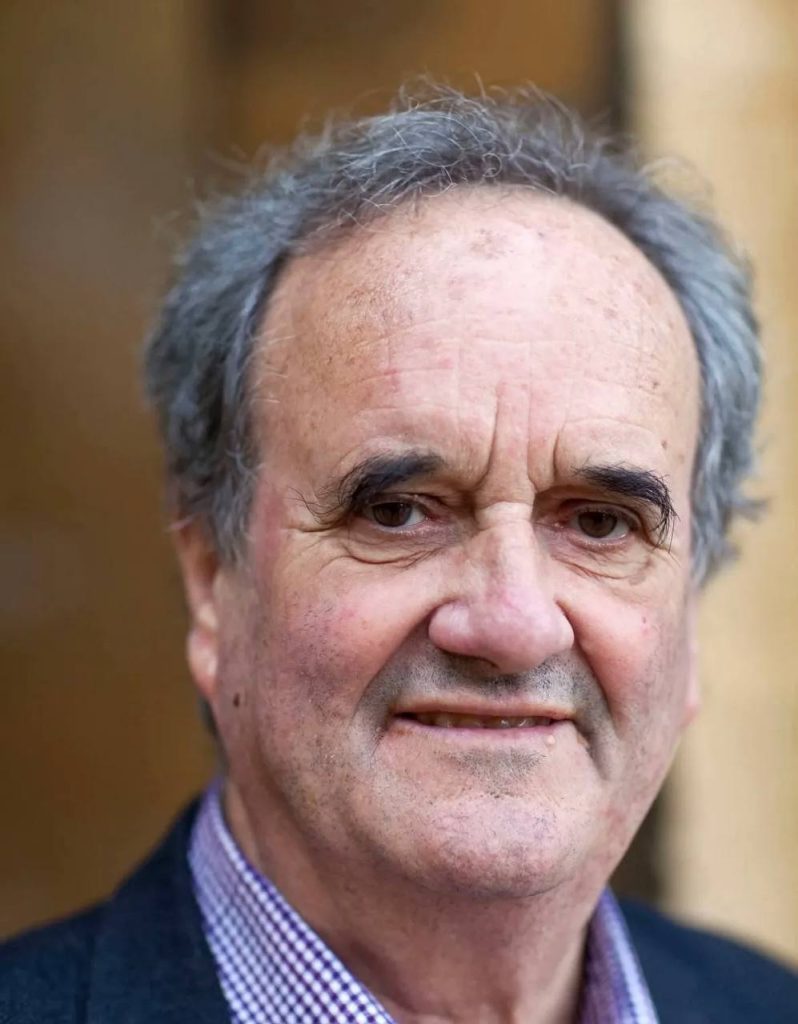
Sir Mark Tully, the BBC broadcaster known as the “voice of India,” has died at 90.
He spent most of his career reporting from India. His voice was familiar to BBC listeners around the world. He covered major events, including the Bhopal gas disaster and the 1984 storming of the Golden Temple.
In 1992, Tully faced danger in Ayodhya. He saw a mob tear down an old mosque and was threatened by people chanting “Death to Mark Tully.” He was held in a room for hours before being rescued. He later called the event the “gravest setback” to India’s secularism since independence.
Jonathan Munro, interim CEO of BBC News and Current Affairs, said Tully was “one of the pioneers of foreign correspondents.” He added that Tully “opened India to the world through his reporting.”
ALSO READ: US state confers honorary citizenship, goodwill ambassador on Nnamdi Kanu
Tully was born in Calcutta in 1935. He moved to Britain for his education and later joined the BBC. He returned to India in 1965 and eventually became the BBC’s bureau chief in Delhi for over 20 years.
He was known for speaking fluent Hindi and was often called “Tully sahib” by Indians. He insisted that India was not just a job for him, but his home.
In 1993, Tully criticised BBC leadership, saying the corporation was run by “fear.” He resigned the following year but continued to work on BBC programmes, including Something Understood.
Tully received India’s Padma Shri and Padma Bhushan awards. He was also knighted in 2002 for his services to journalism. He later became an Overseas Citizen of India and called himself “a citizen of the two countries I feel I belong to, India and Britain.”