
Nigerian Embassy Workers Unpaid for six months struggle with severe financial hardship across 109 foreign missions. Many cannot afford rent, daily expenses, or their children’s school fees. Some fear eviction from their homes, while embassies risk legal action from unpaid service providers.
The Ministry of Foreign Affairs acknowledges the issue, citing budgetary constraints and delays in signing the 2025 Appropriation Act. Acting spokesperson Kimiebi Ebienfa expressed confidence that once President Bola Tinubu approves the budget, funds will be released. However, Nigerian Embassy Workers Unpaid for months remain frustrated, uncertain about when relief will come.
Despite increased budget allocations, the ministry struggles with funding delays. Between 2021 and 2024, it allocated N251.71 billion for salaries, yet Nigerian Embassy Workers Unpaid for extended periods still await payment. The 2025 budget proposal earmarked N353.77 billion, with N214.64 billion for personnel costs and N53 billion for renovating 103 missions. Workers question why salaries remain inconsistent while infrastructure projects move forward.
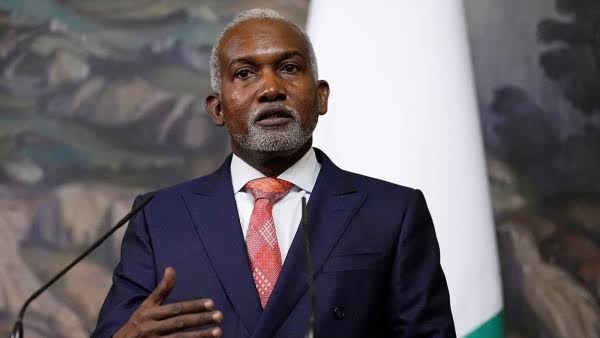
The crisis has also disrupted diplomatic operations. In September 2023, President Tinubu recalled 83 ambassadors as part of a broader foreign policy review. However, financial constraints have prevented new appointments, leaving many missions without leadership. Foreign Affairs Minister Yusuf Tuggar addressed the problem, stating;
“There is no point sending out ambassadors if you do not have the funds for them to even travel to their designated country and to run the missions effectively.”
For many, survival has become a daily struggle. Some Nigerian Embassy Workers Unpaid since August or September 2024 have borrowed money to meet basic needs. One embassy worker, speaking anonymously, expressed frustration, saying;
“This is mid-February, and the budget has not been approved or signed. How are the missions faring under this reality of financial neglect?”
Experts link the crisis to deeper structural issues within Nigeria’s foreign service. Former diplomat Rasheed Akinkuolie traced the problem to financial policies implemented after the 1983 military coup. He advised a return to dual-currency budgeting, where missions receive funds in both naira and U.S. dollars.
“The allocation to missions should be remitted directly to missions in USD by the Central Bank,” he suggested, arguing that this would prevent delays caused by exchange rate fluctuations.
The absence of ambassadors and high commissioners in many missions has worsened the crisis. Without top officials pushing for funding, Nigerian Embassy Workers Unpaid for months struggle to maintain diplomatic operations. Foreign affairs analyst Charles Onunaiju criticized the government’s handling of the situation, stating;
“The politicians have been negligent of the foreign service and diplomatic service.”
He called for a merit-based system in diplomatic appointments to ensure experienced professionals manage foreign relations.
As financial hardship deepens, pressure mounts on the government to take immediate action. The approval of the 2025 budget may provide relief, but Nigerian Embassy Workers Unpaid for months remain in limbo. Beyond immediate concerns, the crisis raises larger questions about Nigeria’s commitment to its foreign service and whether long-term solutions will prevent future financial neglect.