
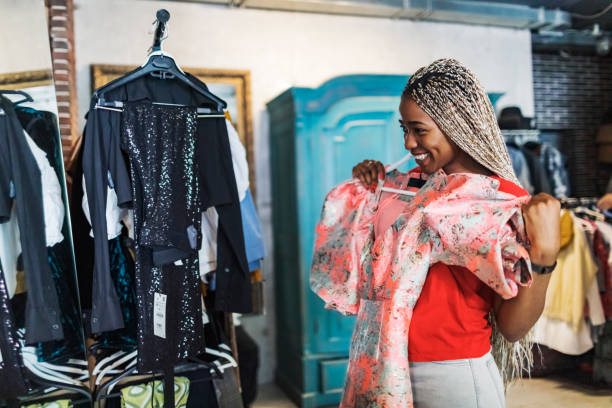
Once upon a time, wearing Okrika, second-hand clothes was seen as a mark of poverty. It was what people bought when they couldn’t afford “boutique” fashion. Today, that narrative has changed. What used to be whispered about in shame has now become a bold fashion statement. Across Nigeria, from bustling markets in Yaba to digital thrift stores on Instagram, Okrika is thriving.
The rise of thrift fashion in Nigeria tells a bigger story, one about creativity, economic adaptation, and shifting values. With inflation biting harder and the cost of living skyrocketing, Nigerians are rethinking what it means to be stylish. Why spend ₦30,000 on one dress when you can get three unique pieces for less than half that price?
But it’s not just about affordability. There’s something refreshing about finding hidden gems in a pile of pre-loved clothes, a vintage denim jacket, a designer label shirt, or a retro handbag. For many young Nigerians, especially Gen Z and millennials, Okrika represents individuality. It’s fashion with character, not just the latest trend from a mall shelf.
Social media has also helped change the perception. Influencers now flaunt thrift finds with pride, styling them in creative ways that rival high-end fashion. What was once mocked as “bend down select” has been rebranded into “vintage thrift,” and the language of class and shame has given way to self-expression and sustainability.
Interestingly, this shift mirrors global trends. Around the world, thrift culture is being celebrated as part of a movement towards sustainable fashion l, reducing waste, recycling fabrics, and giving clothes a second life. Nigerians are not left out of this wave. In fact, the Okrika market has always been an unrecognized form of sustainable fashion long before “eco-friendly” became a buzzword.
ALSO READ:Businessman arrested with 1.3kg cocaine at Kano Airport
Of course, challenges remain. Some still question hygiene or authenticity, and others argue that second-hand imports undermine local textile industries. Yet, the reality is that Okrika has created jobs, fueled small businesses, and offered millions of Nigerians an affordable way to dress with dignity.
The truth is, Okrika is more than second-hand clothing, it’s a movement born out of necessity, creativity, and resilience. It reflects how Nigerians continuously reinvent themselves, even in the face of economic uncertainty.
In a world obsessed with labels and newness, Okrika reminds us that style is not about price tags but about confidence, personality, and imagination. Whether you buy it from a street corner in Balogun or an Instagram thrift page, Okrika is no longer a secret, it’s the future of Nigerian fashion.