
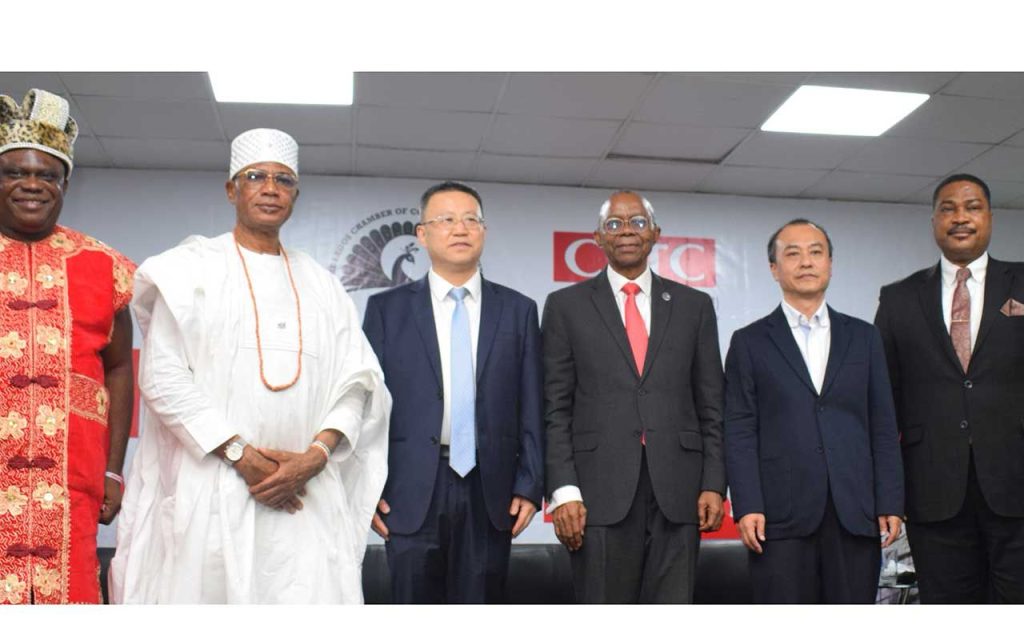
Nigeria and China are set to boost their trade ties amid a series of new agreements and strategic initiatives. In January 2025, both nations pledged to expand cooperation across several sectors. They will work together in clean energy, defense, and finance. During a high-level meeting in Abuja, Chinese Foreign Minister Wang Yi met with Nigerian counterpart Yusuf Tuggar. They discussed critical issues, including regional security challenges and Nigeria’s ambitious Panda bonds aimed at financing major infrastructure projects.
Earlier in September 2024, Nigeria and China signed a landmark pact under China’s Belt and Road Initiative. This agreement focused on human resource development and nuclear energy projects. The pact also paved the way for vital infrastructure projects in Nigeria. For instance, plans for a deep-sea port and new railway lines took center stage. These developments reflect China’s commitment to Nigeria’s economic growth. As of March 2024, China emerged as Nigeria’s largest bilateral lender, having provided loans totaling $5 billion.
Moreover, Nigeria and China continue to explore ways to reduce trade barriers. In February 2025, the Nigerian government urged China to extend recent trade tariff removals to Nigeria. This call came after China offered tariff concessions to 33 other African countries. Nigerian officials believe that similar measures would help balance trade and boost economic ties. A government spokesperson stated, “We need fair trade terms to ensure our industries thrive and benefit from Chinese investments.”
Additionally, Nigeria recently inked a $1.2 billion deal with the Chinese state-owned company CNCEC. The agreement, signed in November 2024, aims to revamp a key gas processing facility. This renovation is expected to enhance Nigeria’s energy sector and help position the country as a major player in aluminum production. Nigerian authorities view this project as a catalyst for industrial growth and modernization.
At the same time, the Nigerian government has encouraged local businesses to seize international opportunities. In February 2025, officials urged Nigerian enterprises to attend the 137th Canton Fair in China. They believe the trade show will open doors for new investments and help showcase Nigeria’s diverse products to the global market. This move aligns with Nigeria’s broader strategy to integrate more deeply into the global trading system.
Furthermore, Nigeria has reaffirmed its commitment to the One-China Principle. The House of Representatives Committee on Nigeria-China Parliamentary Relations emphasized that Taiwan is an integral part of the People’s Republic of China. This political stance underscores the strong diplomatic bond between the two nations. Nigerian leaders view this alignment as essential for maintaining smooth and mutually beneficial relations.
Economic analysts have praised these initiatives as timely and strategic. They argue that deepened trade ties with China could drive much-needed investment into Nigeria’s infrastructure and industrial sectors. They also point out that enhanced collaboration in clean energy and defense will further secure Nigeria’s economic future. According to one expert, “Strengthening ties with China will diversify our economic base and provide long-term benefits for the nation.”
In summary, Nigeria and China are actively working to create a more robust economic partnership. Through a mix of high-level meetings, substantial investment deals, and proactive trade policies, both nations are setting the stage for significant growth. While challenges like tariff imbalances and structural adjustments remain, both governments show a clear commitment to overcoming them. The outcome of these initiatives could reshape Nigeria’s economic landscape and provide a model for future international partnerships.
As the summer and fall of 2025 approach, all eyes will be on how these agreements unfold. With robust plans and renewed political will, Nigeria and China are determined to forge a partnership that benefits both nations. The future looks promising as they work together to drive progress, secure investments, and build a resilient economic foundation for the years ahead.