
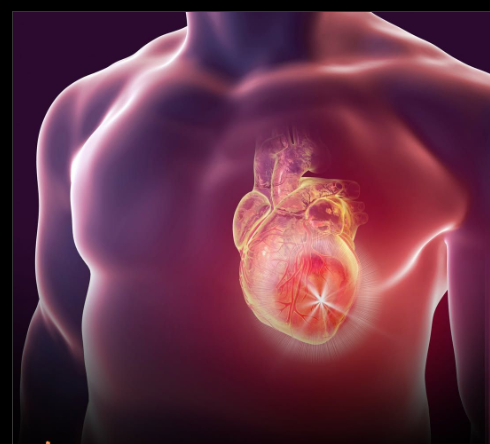
For decades, heart disease has been attributed largely to high cholesterol, hypertension, and lifestyle choices. But fresh research from Finland and the United Kingdom points to a surprising culprit: bacterial infections.
Scientists analyzing arterial plaques have discovered bacterial biofilms—sticky colonies that can lie dormant for years, concealed from both the immune system and antibiotics. According to the study, these microbes may suddenly activate when triggered by viral infections or severe stress, causing inflammation that destabilizes arterial plaque. This rupture can lead to clots and ultimately trigger a heart attack.
ALSO READ:‘No actress can afford It’, Uche Montana proves Yemi Solade wrong with new Range Rover
The findings, published in the Journal of the American Heart Association, revealed genetic traces of oral bacteria in the arteries of patients who had died suddenly or undergone surgery for atherosclerosis. In some cases, bacteria were observed breaking free from biofilms during heart attacks, while the immune system attempted to mount a response.
If validated by further research, the study could transform current approaches to cardiovascular disease. Beyond cholesterol management, doctors may one day use targeted antibiotics, vaccines, or new diagnostic tools to prevent heart attacks by tackling infection risk directly.