
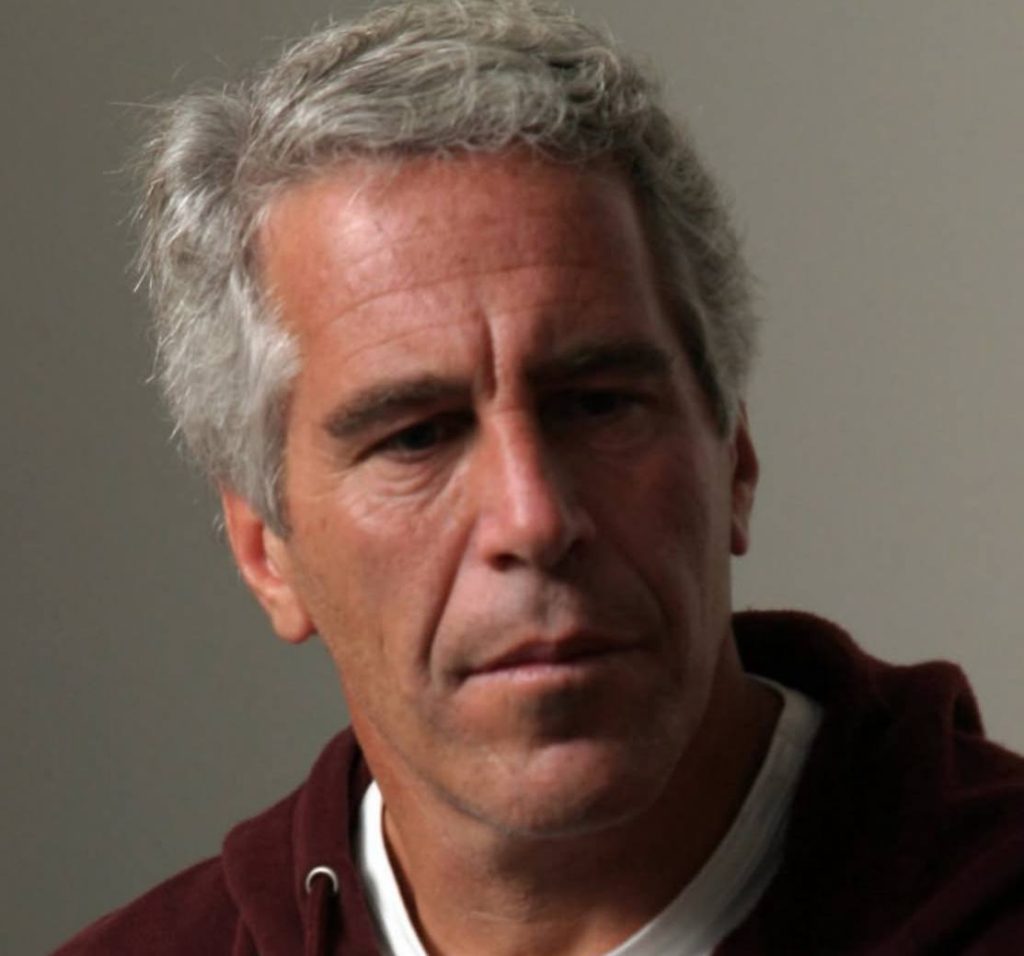
The U.S. Department of Justice (DOJ) has released roughly 8,000 new documents related to convicted sex offender Jeffrey Epstein, showing significantly more mentions of former President Donald Trump than in earlier disclosures. The release comes under the Epstein Files Transparency Act, passed by Congress to compel full public access to materials connected to Epstein’s investigations.
Probes into Potential ‘Co-Conspirators’
The newly released emails reveal that federal prosecutors once considered investigating additional individuals tied to Epstein. A July 2019 email from “FBI New York” requests an update on “10 co-conspirators,” while a follow-up email asks for the same information by the close of business. Some individuals were reportedly contacted, while one is described as “a wealthy businessman in Ohio.”
“To date, only Epstein and Ghislaine Maxwell have faced charges,” the DOJ noted. “While many have sought a so-called ‘client list,’ the FBI says it doesn’t exist, and these documents do not necessarily implicate others in crimes.”
ALSO READ: Epstein files: Story so far, who and what are in the documents
Trump References Increase
Earlier document releases primarily referenced former President Bill Clinton. The latest batch, however, includes multiple mentions of Trump. One 2021 subpoena from the Maxwell case sought “any and all employment records” from Trump’s Mar-a-Lago Club. A 2020 email from a Southern District of New York assistant U.S. attorney also notes Trump flew on Epstein’s plane eight times, with several flights including Maxwell and other women who could serve as witnesses in her case.
Trump has denied any wrongdoing and has never been accused by authorities in connection with Epstein’s crimes.
Fake Letter Sparks Attention
The files include a letter allegedly from Epstein to disgraced former USA Gymnastics doctor Larry Nassar, referencing Trump. The DOJ confirmed the letter is “FAKE,” citing discrepancies in handwriting, postmark, and return address.
“Some of these documents contain untrue and sensationalist claims made against President Trump that were submitted to the FBI right before the 2020 election,” the DOJ said. “The claims are unfounded and false, and if they had credibility, they certainly would have been used against President Trump already.”
DOJ Handling Criticized
The release has drawn criticism over selective redactions and temporary removal of documents. Deputy Attorney General Todd Blanche defended the redactions, citing the need to protect the identities of over 1,000 Epstein victims.
The DOJ’s website now hosts thousands of files, including videos and audio recordings from August 2019, when Epstein died in jail awaiting trial on sex trafficking charges. Some links were reportedly broken or inaccessible, sparking further complaints from victims and lawmakers.
Congressional figures from both parties have threatened legal action over delays in releasing the files. Ro Khanna (D-Calif.) and Thomas Massie (R-Ky.), co-sponsors of the transparency law, have pressed the DOJ for full compliance. Senate Minority Leader Chuck Schumer introduced a resolution seeking legal recourse.
Trump, who severed ties with Epstein years before his arrest, initially sought to block disclosure but eventually signed the law under congressional pressure.