
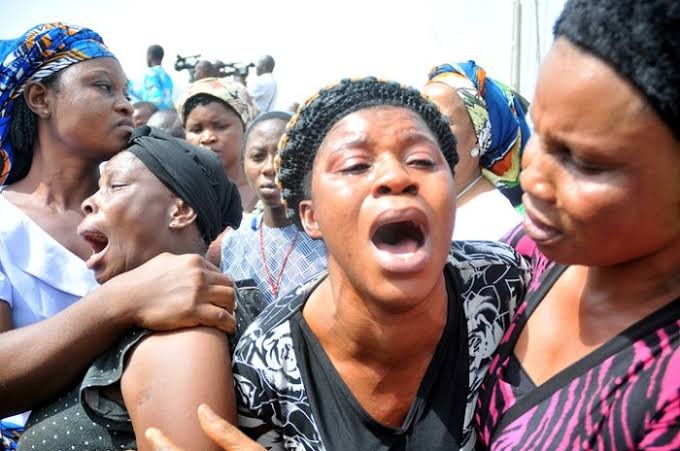
In one devastating week, Nigeria was thrust into turmoil as violent attacks swept across multiple states, leaving behind a trail of grief, fear, and unanswered questions. From Borno to Kwara, Zamfara to Niger, communities were struck with a level of brutality that showed, yet again, how deeply insecurity continues to cut into the nation’s heart.
What began as isolated reports quickly unfolded into a nationwide pattern of killings, abductions, and coordinated assaults touching schools, churches, farmlands, and security formations alike.
The tragic wave started with the brutal execution of Brigadier General Uba and three of his men, who were abducted and publicly killed by Islamist terrorists in Borno State. Their deaths sent shockwaves through the military community, underscoring the rising boldness of terrorist groups operating in the region.
But the violence did not end there it spread.
In Zamfara’s Tsafe LGA, 64 civilians, including women and children, were abducted on Saturday. Barely a day later, 25 female students and their Principal were kidnapped from a school in Maga, Kebbi State, while the Vice Principal was killed during the attack.
In Kwara State, what should have been a quiet moment of worship in a church at Eruku turned into horror as 38 worshippers were abducted by armed attackers. Days later, Islamist terrorists struck again in Edu, killing four rice farmers in another chilling assault.
The northern region saw chaos multiply. In Yobe State, a policeman was killed in Geidam during a fresh attack by Islamist insurgents. In Gwoza, Borno State, eight members of the Civilian Joint Task Force were killed, while three others were kidnapped in yet another assault on local defenders.
ALSO READ:After Kebbi, Niger abductions, Katsina govt shuts public schools
Sabon Birni in Sokoto State also fell victim to the unfolding brutality as 15 people were abducted, including four nursing mothers and their babies, and two others were killed.
Even economic workers were not spared. In Ijedu-Ode, Ogun State, two Chinese workers were kidnapped in a targeted attack, showing that insecurity is no longer confined to one region.
But the most shocking incident came from Niger State, where 211 students of a Catholic school in Agwara were abducted one of the largest school kidnappings in recent years. Parents and communities have been left in anguish, with many still begging authorities for swift rescue operations.
And yet, the violence persisted. In another fresh attack in Borno, terrorists killed eight more people and kidnapped three, adding to the grim tally of lives lost and families shattered.
Across Nigeria, fear now hangs heavy. Homes, schools, churches, farms, and security outposts have become targets, and communities are struggling to understand how one week could bring so much devastation.
As the country grapples with this unrelenting wave of terror, one truth has become painfully clear: insecurity no longer respects boundaries, not of state, institution, or sanctuary.