
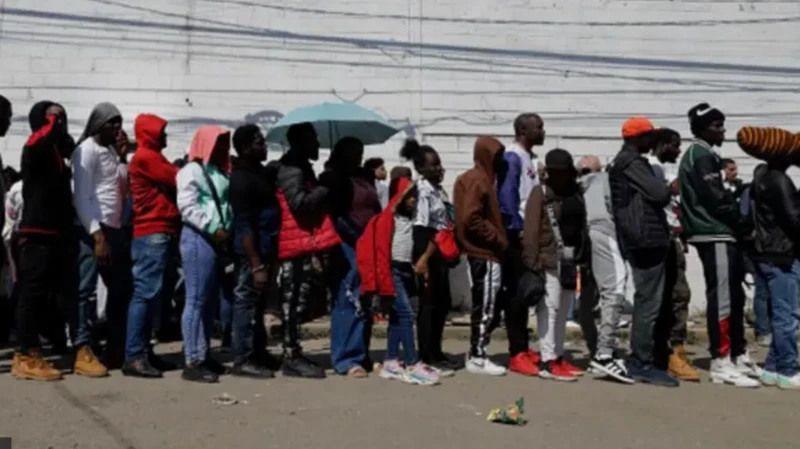
The United States plans to deport 201 Nigerian nationals in a major immigration crackdown. Richard Mills, the US Ambassador to Nigeria, confirmed that authorities have already cleared 85 for immediate repatriation.
The deportees include individuals who overstayed their visas or broke US immigration laws. Additionally, some served prison terms for criminal offenses.
According to Mills, these deportations align with broader US efforts to curb illegal immigration and crime involving foreign nationals. Most deportees will arrive in Lagos, where officials are preparing to receive them. Meanwhile, the process has drawn significant attention from Nigerian authorities and citizens, sparking concerns about its fairness.
In response, Nigeria’s Minister of State for Foreign Affairs, Mrs. Bianca Odumegwu-Ojukwu, strongly criticized reports of mistreatment. Witnesses claim that officers forced non-violent deportees to wear handcuffs and leg irons, a practice she condemned.
“We demand that our citizens receive dignified treatment, excessive restraints are unnecessary, and we urge the US government to stop this practice,” she stated.
Furthermore, the Minister urged US officials to allow deportees enough time to settle their affairs before removal.
“They deserve the chance to wrap up their lives, collect belongings, and say proper goodbyes. Many have families and assets in the US, which they may never reclaim. Therefore, abruptly forcing them out raises humanitarian concerns,” she added.
Looking at the bigger picture, these deportations follow trends set by past US administrations, particularly under former President Donald Trump’s strict immigration policies. During his presidency, deportations surged, especially targeting nationals from Mexico, Colombia, India, and Nigeria. Now, the current administration seems to be following a similar approach, focusing on individuals who violated immigration rules.
Nevertheless, the Nigerian government continues to push for a fair and humane deportation process. Officials argue that many deportees spent years in the US and have little to no support system in Nigeria. As a result, they are calling for a more compassionate approach that considers the long-term impact on these individuals.
Meanwhile, in Nigeria, government agencies are working on reintegration plans. Local authorities are discussing ways to help deportees rebuild their lives and reintegrate into society. However, experts warn that many will struggle with social and psychological challenges. Since some have no financial security or personal ties in Nigeria, their transition back home could be particularly difficult.
Ultimately, as Nigeria prepares for their return, both nations must deal with the fallout. On one hand, the US insists it is simply enforcing its laws. On the other hand, Nigeria continues to push for a process that treats its citizens with dignity and respect. The outcome of this situation could set a precedent for how future deportations between both countries are handled.