
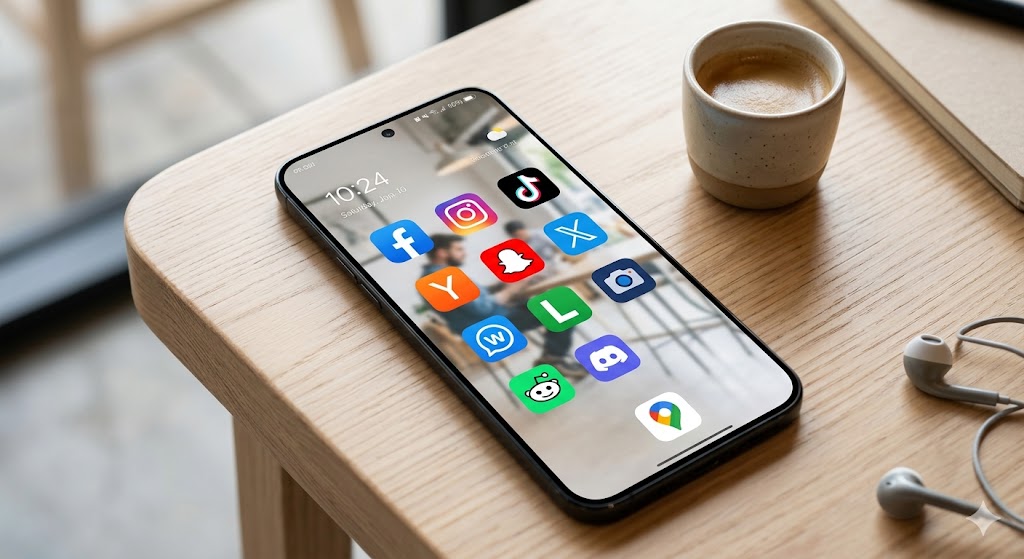
In today’s digital age, social media has become a major part of daily life, often leading to excessive screen time and reduced productivity.
While staying connected online is important, experts say balancing digital habits with real-life activities can significantly improve mental well-being and focus.
Here are practical lifestyle changes that can help reduce screen time and limit social media usage:
1. Engage in physical activities
Instead of scrolling through social media, individuals are encouraged to take short walks, stretch, or engage in light exercises. These activities help refresh the mind and improve overall health.
2. Take up simple hobbies
Replacing screen time with hobbies such as writing, drawing, cooking, knitting, or crafts can keep the hands and mind busy, reducing the urge to constantly check social media.
3. Read more offline content
Books, magazines, and newspapers offer a healthy alternative to online browsing. Reading for even a few minutes daily can improve focus and reduce dependence on digital devices.
RELATED NEWS
- 6 smart ways to make your data bundles last longer
- 9 proven ways to use social media to grow your brand fast
- Five practical steps to overcome suicidal thought
4. Spend quality time with people
Experts suggest prioritising face-to-face conversations with family and friends instead of digital interactions. Phone calls and in-person meetings can strengthen relationships.
5. Create phone-free routines
Setting boundaries such as no phone use during meals, after waking up, or before bedtime can help reduce unnecessary screen exposure.
6. Use technology for learning
Instead of endless scrolling, users are encouraged to explore educational content, online courses, or skill-building videos that add value to their time online.
7. Keep devices out of reach
Simple changes like charging phones away from the bed or placing them in another room during work hours can help reduce distractions and improve focus.
8. Adopt quick “reset” habits
When boredom strikes, replacing phone usage with small tasks like tidying up, drinking water, or journaling can help break the habit of constant scrolling.
As screen time continues to rise globally, lifestyle experts say intentional habits are key to achieving a healthier balance between the digital world and real life.