
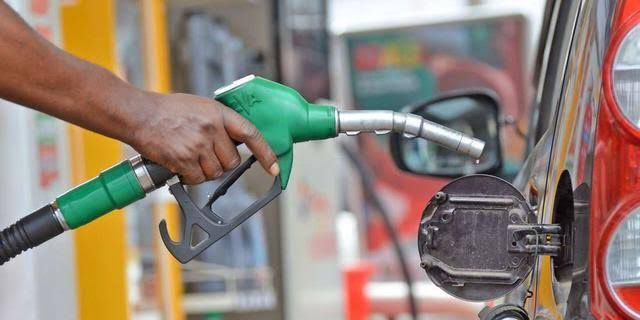
Chairman of the Presidential Committee on Fiscal Policy and Tax Reforms, Mr. Taiwo Oyedele, has explained why the proposed 5% fuel surcharge will not be implemented anytime soon.
Speaking at the Haulage and Logistics Magazine Conference and Exhibition in Lagos, Oyedele said the government would delay the tax until key economic conditions improve — particularly a stronger naira and a decline in global crude oil prices.
According to him, although the surcharge is a good policy designed to fund road maintenance, introducing it now would only worsen the financial burden on Nigerians already struggling with high living costs.
He recalled that the fuel tax idea was first introduced under the administration of former President Olusegun Obasanjo, with the plan to allocate 40% of the revenue to federal roads and 60% to state and local government roads.
“The idea is brilliant and already being implemented in more than 150 countries,” Oyedele said, noting that most of Nigeria’s 200,000 kilometres of roads are in poor condition.
He revealed that the Federal Roads Maintenance Agency (FERMA) had requested permission to begin collecting the levy after fuel subsidy removal, but the committee turned down the request.
“We said no — introducing such a tax now would be insensitive,” he stated.
Oyedele added that the surcharge remains part of the draft tax law but will only take effect after an official order is issued by the Minister of Finance.
“For me, the right time will be when the naira strengthens or crude prices drop, so the surcharge won’t raise pump prices,” he said.
He further assured that the ongoing tax reforms aim to relieve the haulage and logistics sector by removing multiple taxation, reducing costs, and improving efficiency.
ALSO READ:Visas are privilege, not right, US replies Soyinka
“We are not introducing new taxes; we are removing the many duplicated ones that frustrate transporters and increase prices,” he added.
Under the new framework, small transport and logistics businesses with annual turnover below ₦100 million will be exempt from company income tax, while eligible operators will enjoy VAT refunds and other incentives.
Oyedele concluded that the reform will simplify Nigeria’s tax system and ensure transparency and fairness in revenue distribution across all levels of government.