
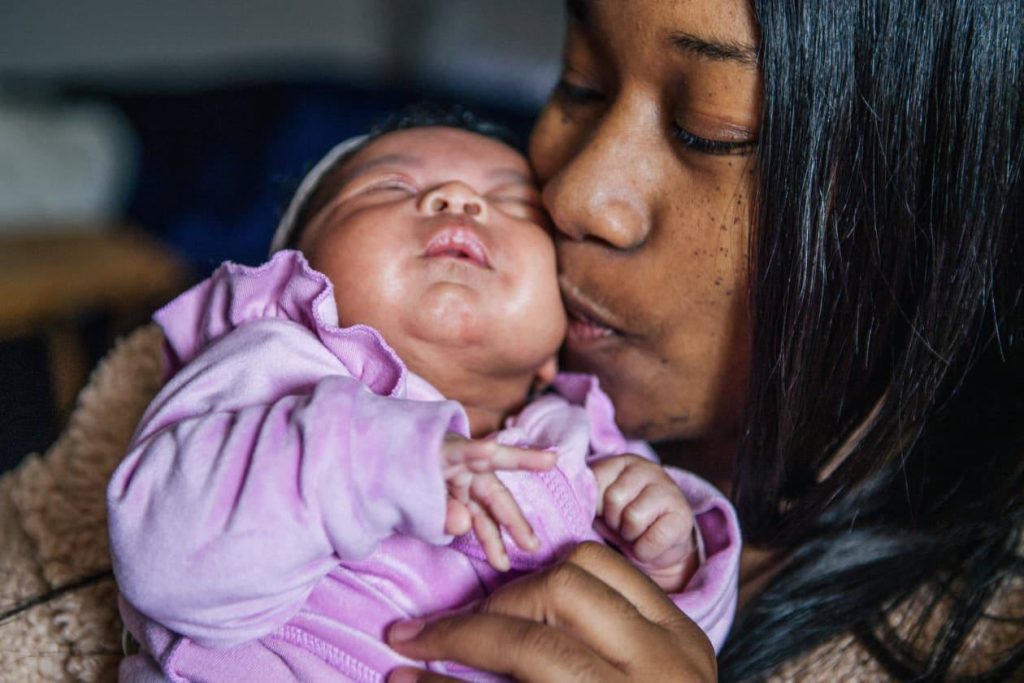
The United States has recorded its lowest fertility rate ever, extending a decline that has lasted more than 20 years.
New data from the US Centers for Disease Control and Prevention (CDC) shows the general fertility rate fell to 53.1 births per 1,000 women aged 15 to 44 in 2025. That is a one percent drop from the previous year.
About 3.6 million babies were born in 2025, also down slightly from 2024. The figures are based on nearly complete records, with 99.95 percent of birth data already processed.
The latest numbers confirm a long-term slide in US births, which have fallen by nearly 23 percent since 2007.
Experts say the decline reflects changes in lifestyle, money pressure, and how people now plan families.
Childcare costs remain a major issue. In California, annual childcare can reach about $22,000, while in states like Alabama it is closer to $8,000, according to the Economic Policy Institute.
Even at the lower end, that cost can equal more than half a year of full-time minimum wage work.
Phillip Levine, an economics professor at Wellesley College, told Reuters that modern work and lifestyle patterns are affecting family decisions.
He cited “greater and more demanding job market opportunities, expanded leisure options, [and] increased intensity of parenting” as reasons having children now feels less appealing to some people.
ALSO READ: OPINION: Why regular s*xual health checkups are important for men, women
Dr. Alison Gemmill of UCLA said the trend is not driven by one factor alone.
“Our world and our lives are complex,” she said. “There are so many factors that people consider when making decisions about how and when to start a family, and they all matter.”
She added that births among women over 30 have risen slightly, but not enough to offset declines among younger women.
The fall in births has also drawn political attention.
The Trump administration has supported expanded access to in vitro fertilisation (IVF) as part of its family policy approach.
President Donald Trump has also argued that many social programmes should be handled by states.
“The United States can’t take care of daycare. That has to be up to a state,” he said.
Economists warn the trend could affect long-term growth and government finances.
Samuel Tombs of Pantheon Macroeconomics said the impact will build over time.
“Any dropoff in the birth rate obviously has very little short-term implications for the economy,” he said. “It’s more of a medium-term drag.”
Researchers say the key question now is whether delayed childbirth will lead to a rebound later, or whether the US will remain in a prolonged low-fertility period.