
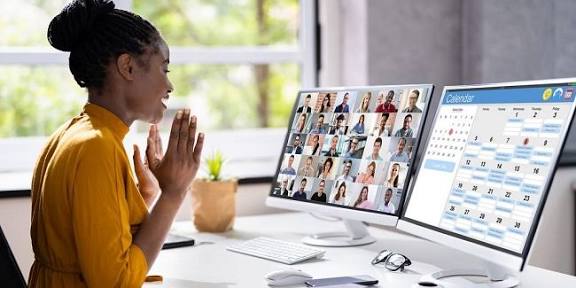
Before 2020, most Nigerians thought remote work meant you had no serious job. Then the pandemic hit, and suddenly, remote work became the survival plan for companies everywhere. From tech bros coding in their pajamas to customer service reps taking calls in their bedrooms, the game switched fast.
Now that life is back to “normal,” the big question is: is remote work in Nigeria here to stay, lockdown fling?
Why Remote Work Feels Like a Game-Changer
1. Flexibility Is Sweet
No more two-hour traffic jams just to sit at a desk. Remote work gives people freedom to design their day, spend time with family, and even take side hustles seriously.
ALSO READ: Nigeria: Top five remote jobs in 2025
2. Global Opportunities
With just a laptop and internet, Nigerians can land jobs from companies in the US, UK, or Canada. Remote work has turned the whole world into one big job market.
3. Lower Costs
Let’s be real — less money on transport, office clothes, and daily lunch runs means more savings. That’s a win.
Why It Might Just Be a Passing Trend
1. Companies Still Love Control
Some bosses feel they can’t “see” productivity unless workers are physically in the office. That’s why many firms are slowly dragging staff back to their desks.
2. Not All Jobs Can Be Remote
Factory work, healthcare, and many service jobs can’t go digital. So remote work might stay limited to white-collar sectors like tech, finance, and media.
3. Burnout & Loneliness
Working from home sounds great, but isolation is real. No coworkers to gist with, blurry lines between work and rest, it can get stressful.
So, What’s the Future?
Remote work in Nigeria is not a complete replacement for the traditional office, but it’s not going anywhere either. What we’ll likely see is a hybrid system, some days at home, some days at the office. That way, workers get the best of both worlds.
For Nigerians especially, is remote work a game-changer because it opens global doors. But to keep it sustainable, workers need discipline, good internet, and companies willing to adapt.