
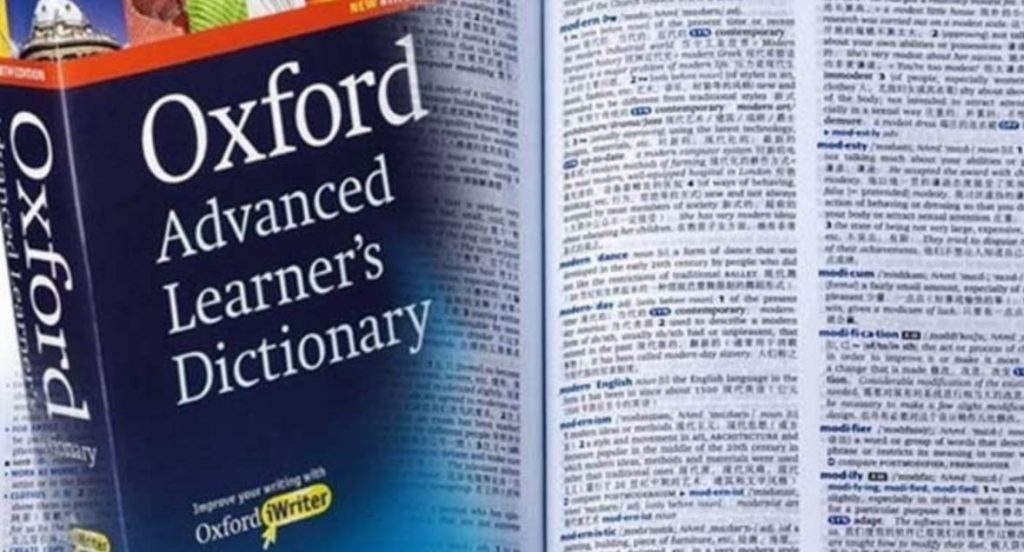
In a historic recognition of Nigerian culture, the Oxford English Dictionary (OED) has added the words “nyash,” “mammy market,” and “amala” to its lexicon.
This marks a major milestone for Nigerian and West African English. The OED adds words based on sustained and widespread use, not temporary trends. The move reflects how Nigerian English, shaped by local languages, Pidgin, and pop culture, continues to influence global English.
“Nyash” refers informally to a person’s buttocks and has grown popular through conversation, social media, and music. Afrobeat artists and online creators have helped spread the term internationally. “Mammy market” describes markets traditionally run by women near military barracks, now found in universities and communities. These markets sell food, household items, and provide social spaces. “Amala” is a staple Yoruba dish made from yam, cassava, or plantain flour, usually eaten with soups like ewedu or gbegiri, highlighting Nigerian cuisine on the global stage.
ALSO READ: WhatsApp updates group chats with member tags, text stickers, event reminders
Professor Aisha Bello, a linguist at the University of Lagos, said, “Dictionaries are more than word lists. They record how people live and express identity. The recognition of these words shows that Nigerian English is shaping global conversations.”
Spoken by over 200 million people in Nigeria and widely used in the diaspora, Nigerian English has spread through Nollywood, music, social media, and online storytelling. The OED’s acknowledgment strengthens cultural pride and challenges the idea that standard English is only British or American. Teachers, students, and writers can now reference authoritative sources when using Nigerian English terms.
The announcement sparked excitement across Nigeria, with many celebrating long-overdue recognition of local life, humor, and culture. The addition of “nyash,” “mammy market,” and “amala” is more than a dictionary update. It is a cultural milestone, affirming that Nigerian language, food, and everyday life are now part of the global English lexicon.