
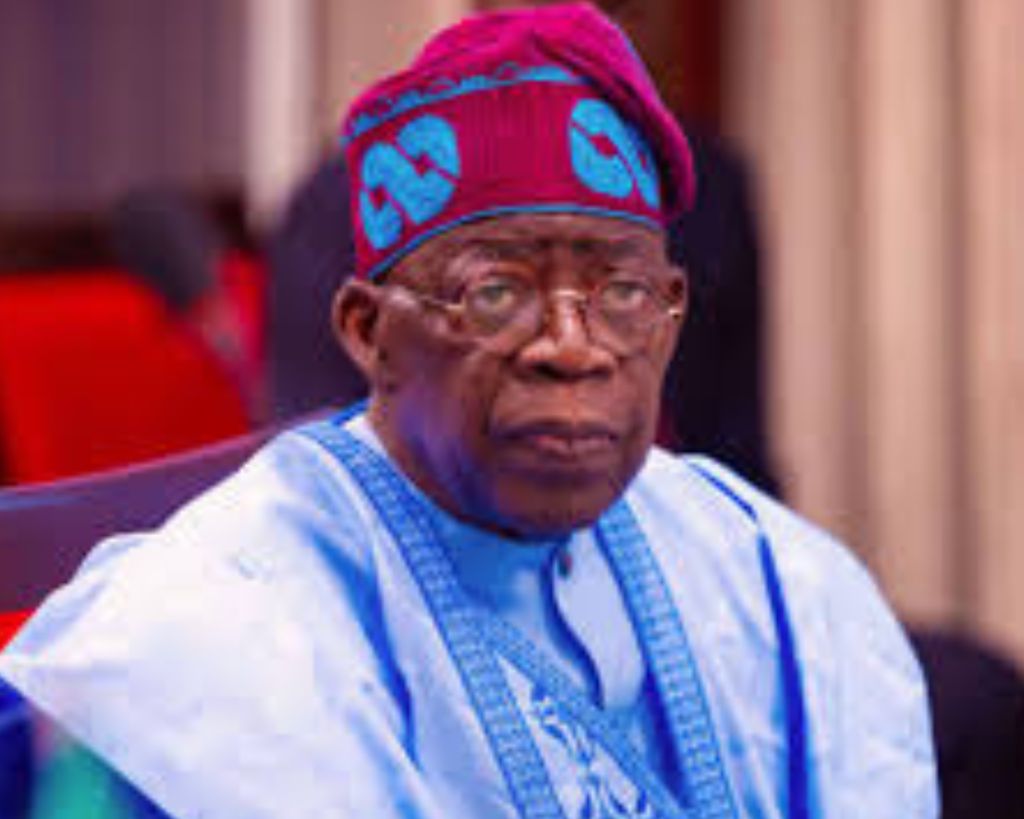
President Bola Ahmed Tinubu on Tuesday declared that no country can experience sustainable development on the back of an inefficient tax system.
Speaking at the commissioning of the Nigeria Revenue Service (NRS) headquarters in Abuja, the President noted that the occasion was not merely about the building but about positioning the revenue service for transparency and improved efficiency.
“No nation can keep lasting prosperity on a weak and fragmented revenue system. No government can demand trust from its citizens when taxation is inefficient or unjust.
“That is why this administration took the bold decision to embark on far-reaching tax and fiscal reforms designed to simplify our system, eliminate corruption and create a fair, transparent and investment-friendly environment,” he stated.
Tinubu said the new revenue system under his administration aims to reward enterprise, support growth and ensure that every contribution to the national pool is matched by tangible value for the people.
He also cited improved fiscal stability, stronger foreign reserves, a more efficient trade system and increased investor confidence in Nigeria’s economy as gains attributable to the reforms of his administration.
Also speaking at the event, the Minister of Finance, Wale Edun, represented by the Minister of State for Finance, Taiwo Oyedele, described the new NRS structure as a product of deliberate policy, sustained effort and a commitment to doing what is right for the long-term prosperity of the nation.
“It is within this context that we are commissioning this Headquarters of the Nigeria Revenue Service. The building is more than concrete and steel — it is a symbol of transparency and efficiency. It reflects our resolve that solutions must rise to meet the demands of reforms and the expectations of Nigerians,” he stated.
The Minister further noted that “our reforms have strengthened revenue institutions, improved collection significantly and laid the foundation for long-term fiscal sustainability. The transformation of the Federal Inland Revenue Service into the Nigeria Revenue Service is not just a name change; it reflects a broader mandate, stronger governance, accountability and repositioning for greater performance.
“Since the beginning of this reform, the FIRS — now the Nigeria Revenue Service — has recorded historic revenue performance, demonstrating that when institutions are effectively led and empowered, outcomes will multiply. One of the most important shifts we have made is moving from a fragmented system to a more coherent revenue framework.”
In his welcome address, the Executive Chairman of the NRS, Dr. Zacch Adedeji, said “today marks far more than the commissioning of a building. It marks the culmination of a defining institutional journey, one that has spanned years of vision, persistence, complexity, and ultimately, disciplined delivery.
“What stands before us is not merely an edifice of steel and structure, but the physical manifestation of a nation choosing order over drift, discipline over fragmentation, and execution over intent. It is the coming to life of a renewed fiscal vision, one that is structured, credible, and built to endure.
“When this administration assumed office, Nigeria faced a critical inflexion point, marked by constrained fiscal space, weakened investor confidence, and structural distortions across key sectors. What followed was not an incremental adjustment, but a comprehensive reset of the nation’s economic and fiscal architecture.
“Through decisive actions, Your Excellency restored macroeconomic credibility, unifying foreign exchange markets, clearing longstanding backlogs, and re-establishing confidence in Nigeria’s ability to operate a transparent and market-driven system.”
The Chairman explained that “over 60 fragmented tax laws were streamlined into a simplified and more coherent framework, strengthening compliance, improving predictability, and enabling efficiency in administration.
“Crucially, this reform was not driven by higher tax burdens, but by better systems, broader coverage, and stronger governance. The outcome speaks for itself, with Nigeria recording a historic domestic revenue performance, demonstrating that disciplined reform yields sustainable results.
ALSO READ: El-Rufai granted bail, to remain in ICPC custody pending bail fulfilment
“Beyond taxation, fiscal governance has been strengthened through improved remittance systems, enhanced transparency mechanisms, and tighter controls on public financial flows. Trade has been modernised through the recently launched National Single Window, reducing inefficiencies and strengthening revenue assurance.
“In energy reforms, the revolutionary sales of crude in Naira initiative has repositioned the sector from a fiscal burden to a stabilising anchor for the economy, especially at this crucial time. Across these areas, what we are witnessing is not an isolated change, but a coordinated transformation of the fiscal state,” he noted.
Also speaking, the Managing Director of the China Civil Engineering Construction Company (CCECC), Guan Shuai, commended the government for embarking on developmental projects geared towards growing the nation’s economy.
The event was attended by the leadership of the National Assembly, state governors, ministers, heads of agencies and other top government officials.