
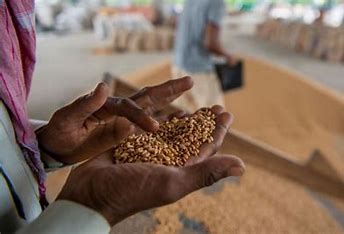
Nigeria is set to strengthen economic cooperation with Belgium in a strategic move to enhance food security. The announcement came on February 25, 2025, after a meeting between the Minister of Finance and Coordinating Minister of the Economy, Wale Edun, and Belgian Ambassador Pieter Leenknegt. Their discussions focused on fostering economic collaboration, particularly in agriculture, as Nigeria seeks sustainable solutions to boost food production and reduce import dependence.
Edun stressed the importance of international partnerships in tackling Nigeria’s food security challenges. He noted that economic indicators were improving, with inflation gradually declining and price stability returning.
“We are committed to strengthening agriculture through policies that ensure sustainable food production. Partnering with Belgium offers a chance to introduce advanced farming techniques that will benefit Nigerian farmers,” he stated.
Belgium has a strong agricultural background, and Nigeria hopes to leverage its expertise. This partnership aligns with Nigeria’s broader economic agenda, prioritizing food security as a key factor in national stability. Edun reaffirmed the government’s commitment to reducing excessive food imports, calling it a vital part of the economic recovery plan.
“Nigeria should not be importing food at this level. We have the resources to be self-sufficient, and that is our goal,” he emphasized.
President Bola Tinubu’s administration has actively sought global economic partnerships to attract investments and technical expertise. The meeting between Edun and Leenknegt is one of several diplomatic efforts to secure international collaborations. Edun noted that Nigeria’s work with Belgium could also open doors for further trade relations between both nations.
This move follows a recent agreement between Nigeria and France, where officials secured a €300 million deal to boost agriculture and food security. The funding will support agricultural productivity across the country’s geopolitical zones. Experts believe these foreign partnerships will provide Nigerian farmers with access to modern techniques, advanced equipment, and financial support necessary for increased crop yields.
Food security remains a major concern in Nigeria. Reports indicate that over 30 million Nigerians face food insecurity due to economic challenges, inflation, and agricultural disruptions. Issues like flooding and insecurity in northern states have severely impacted production. The government faces mounting pressure to implement policies that ensure a stable food supply, regulate prices, and protect vulnerable populations from hunger.
Belgium’s involvement could introduce technology-driven farming methods to mitigate these challenges. Nigerian officials expect that knowledge transfer and investment in modern agricultural practices will significantly boost food production. The collaboration may also create job opportunities and promote rural development as farmers access improved resources.
As the partnership develops, officials from both countries will define specific cooperation areas and implementation strategies. The Nigerian government has assured stakeholders that the agreement will be executed transparently and effectively to ensure tangible benefits for agriculture. Meanwhile, economic analysts are monitoring developments to evaluate the long-term impact on Nigeria’s food security.
While this initiative signals progress, experts warn that achieving food self-sufficiency will require consistent policy execution, increased investment in local farmers, and infrastructure development. The government’s ability to merge foreign expertise with domestic initiatives will determine the partnership’s success. With Nigeria’s growing population and increasing food demand, strategic collaborations like this one with Belgium could play a crucial role in securing the nation’s agricultural future.