
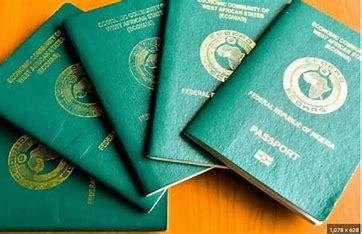
Tension arise between Nigeria and Niger Republic as authorities in Niamey reject ECOWAS passports and deny entry to Nigerian passport holders. This decision, which took effect in February 2025, follows Niger’s withdrawal from the Economic Community of West African States (ECOWAS) on January 29, alongside Mali and Burkina Faso.
Niger’s government defends the move, citing national security concerns and the need for stricter border control. A senior Nigerien official states, “We must protect our borders and strengthen our sovereignty.” However, this measure sparks confusion and frustration, especially among Nigerian traders who rely on cross-border movement for business.
Many Nigerians report border officials turning them away despite holding valid ECOWAS passports. A trader from Kano, unable to cross into Niger, laments,
“I have conducted business in Niger for over a decade. This restriction disrupts everything.” The policy shift also disrupts trade and movement, creating uncertainty for border communities.
Nigeria’s government strongly opposes the restriction. A spokesperson from Nigeria’s Ministry of Foreign Affairs criticizes the action, calling it a violation of regional agreements.
“This undermines ECOWAS principles and restricts free movement. We urge Niger to reconsider,” the spokesperson says. In response, Nigeria initiates diplomatic talks to resolve the issue.
ECOWAS, formed to promote economic cooperation and free movement, acknowledges Niger’s withdrawal but urges all member states to honor ECOWAS-issued passports. An ECOWAS representative emphasizes, “Citizens of these nations should continue to enjoy free movement until further notice.”
Security analysts warn that Niger’s decision could destabilize regional relations. Political expert Dr. Amina Yusuf observes,
“If other nations adopt similar policies, regional unity and economic integration will suffer.” The restriction raises concerns about the future of West African cooperation.
As diplomatic discussions unfold, travelers must stay informed about border policies and carry the necessary documents. The situation evolves rapidly, but many hope negotiations will restore the free movement of people and goods across West Africa.