
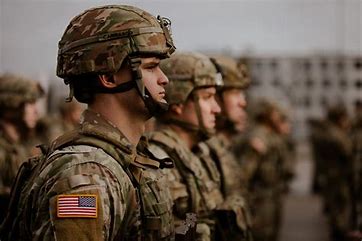
The U.S. Army has implemented a controversial new policy barring transgender individuals from enlisting and pausing gender-affirming medical care for active-duty service members. This decision follows President Donald Trump’s Executive Order 14183, signed on January 27, 2025.
According to the executive order, the military now requires all personnel to serve based on their biological sex at birth to maintain unit cohesion and operational readiness. Shortly after, Defense Secretary Pete Hegseth issued a February 10 memorandum, further solidifying the new rule. The memo not only blocks new transgender recruits but also suspends transition-related medical care for those already serving.
Meanwhile, the Department of Defense (DoD) insists the move is essential for military effectiveness. In a statement, Hegseth emphasized,
“The military’s mission is to fight and win wars. Identity politics have no place in our armed forces. Our focus must remain on lethality, not social experiments.”
Furthermore, Pentagon officials argue that gender-transition procedures, extended recovery times, and hormonal treatments pose potential risks to combat readiness. The policy marks a significant reversal from the Biden administration’s 2021 decision, which had allowed transgender individuals to serve openly.
However, this policy shift has already triggered immediate backlash. Civil rights organizations, including Lambda Legal, have vowed to challenge the decision in court. Shannon Minter, a leading attorney for transgender rights, condemned the move, saying,
“This policy is not about readiness; it’s about exclusion. Transgender service members have already proven their dedication and capability.”
At the same time, service members affected by the change are also speaking out. Staff Sergeant Daniel Rivera, a transgender soldier who has served for seven years, lamented,
“The decision felt like a betrayal by the institution I’ve dedicated my life to. I deployed twice. My record is spotless. Yet, suddenly, I’m not fit to serve?”
Meanwhile, the policy has also intensified political divisions in Washington. A recent Gallup poll revealed that support for transgender military service has dropped to 58%, a sharp decline from 71% in 2021.
Notably, Republican support has dwindled the most, aligning with Trump’s broader military reforms. On the other hand, Democratic leaders have condemned the policy.
For example, Senator Tammy Baldwin (D-WI), the first openly LGBTQ+ U.S. senator, called it a “cruel and unnecessary rollback of rights.”
Conversely, Senator Tom Cotton (R-AR) praised the decision, stating, “The military must prioritize strength, not social agendas.”
With lawsuits already underway, the fate of the policy now rests with the courts. If upheld, thousands of transgender service members could face career uncertainty and medical disruptions. On the other hand, if struck down, the administration will likely fight to reinstate it.
For now, the military remains at the center of one of America’s most divisive cultural debates.