
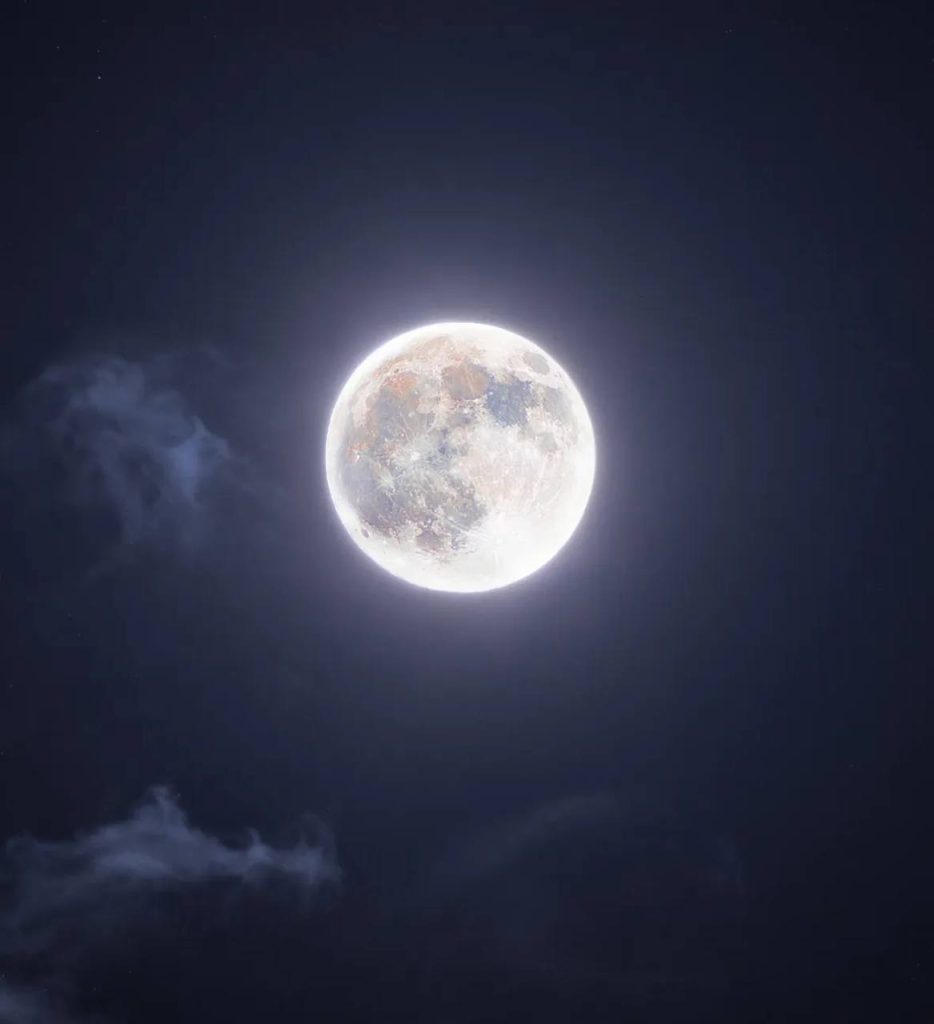
The final supermoon of 2025 is set to dazzle sky watchers on December 4. Known as the Cold Moon, this full moon will appear noticeably larger and brighter than usual as it reaches one of its closest points to Earth.
According to the Old Farmer’s Almanac, the Cold Moon will reach peak brightness at 6:14 p.m., with the best views occurring shortly after moonrise, when the moon appears largest near the horizon.
NASA defines a supermoon as a full or new moon that occurs at the closest point in the moon’s orbit to Earth. At this distance, it “can appear up to 14% bigger and 30% brighter than a regular full moon,” the agency notes.
This December display follows November’s supermoon, reported by Star Walk as the year’s biggest, appearing 7.9% larger and 16% brighter than an average full moon.
Sky enthusiasts will also be treated to the Geminid meteor shower, active from Nov. 19 to Dec. 16 and peaking on Dec. 13 and 14. The shower averages about 75 meteors per hour, making it one of the most reliable annual meteor events.
The name “Cold Moon” comes from traditional Native American moon naming systems. UNC Asheville astronomy professor Britt Lundgren highlights the cultural significance of these names:
“Each tribe has a close relationship with the land, and their moon names will reflect the seasonal changes unique to their environments,” Lundgren said.