
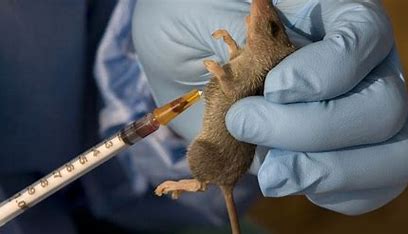
A fresh outbreak of Lassa fever has struck Ondo State, raising serious concerns among health authorities. As of February 13, 2025, officials confirmed 112 cases out of 353 reported infections, with 12 lives lost. Consequently, urgent measures aim to contain the virus as cases continue to rise.
At a press briefing in Akure, the Acting Statistician-General of Ondo State, Olusola Ajayi, warned about the Lassa fever outbreak and its rapid spread.
“We must act swiftly because the numbers are climbing. Currently, Ondo State has 353 cases of Lassa fever, 112 confirmed, and 12 deaths. The time for action is now,” he stated.
Meanwhile, the Permanent Secretary of the state’s Ministry of Health, Dr. Adeniran Ikuomola, reported nearly 400 suspected cases since the outbreak began. In response, the government launched a new Lassa fever diagnostic center at the Infectious Disease Hospital in Akure.
“With support from the Institute of Human Virology Nigeria, our personnel received training and critical resources. As a result, we no longer need to send samples to the Federal Medical Centre in Owo. The new facility is fully operational,” he explained.
Additionally, poor sanitation and increased rodent infestations remain major factors contributing to these persistent outbreaks. Lassa fever spreads primarily through contact with food or household items contaminated by rodent urine or feces. Furthermore, it can also spread through bodily fluids. Due to the severity of the situation, the Nigeria Centre for Disease Control and Prevention (NCDC) has deployed a specialized team to Ondo to help control the outbreak.
Experts stress the need for immediate action to prevent more deaths. Therefore, health officials urge residents to maintain clean environments, store food securely, and seek medical attention at the first sign of symptoms like fever, headaches, or unusual bleeding.
Ondo State has battled Lassa fever outbreaks before, with major cases in 2020 and 2023. During those years, it was one of the hardest-hit states in Nigeria, with significant fatalities. Consequently, these recurring outbreaks highlight the urgent need for stronger healthcare infrastructure and increased public awareness campaigns.
To combat the crisis, the state government promised to intensify fumigation efforts in affected areas and distribute protective equipment to healthcare workers. Nevertheless, some residents remain skeptical.
“Every year, we hear promises, yet the outbreaks persist. We need concrete action, not just assurances,” said a community leader in Owo.
While health workers continue their efforts to curb the spread, long-term solutions like better sanitation, improved healthcare facilities, and widespread awareness remain crucial. Ultimately, authorities hope swift interventions will prevent the situation from worsening.