
You heard about it on the news. Maybe a neighbour mentioned it. Maybe you saw the numbers and quickly scrolled past because the thought was too uncomfortable to sit with.
146 people dead. 582 confirmed cases. 25 doctors infected. 3 of them gone.
In 11 weeks.
This is not a distant problem. This is happening right now, in Nigeria, in communities that look exactly like yours.
Lassa fever does not announce itself loudly. It starts quiet, like a regular fever, a headache, a little body pain. The kind of thing you treat with paracetamol and a lie-down. But if it is Lassa, it does not stay quiet for long. It can move quickly to bleeding, a swollen face, and shock. By the time most people realise what they are dealing with, precious time has been lost.
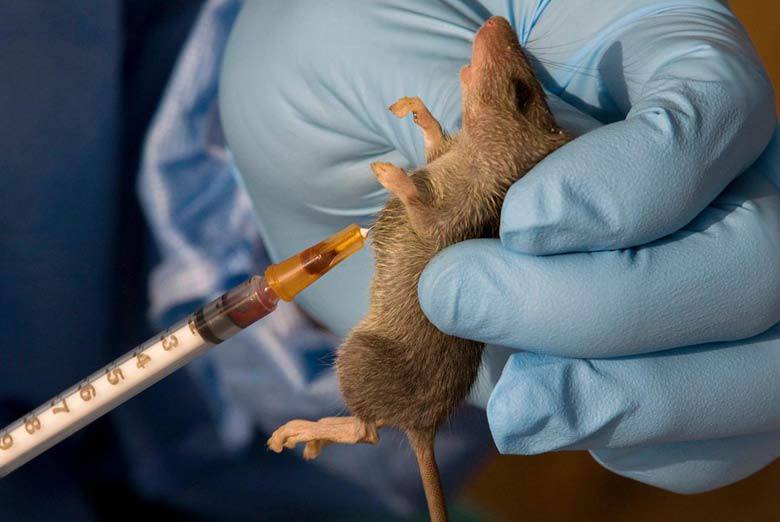
The virus spreads through contact with the urine or droppings of infected rats, or through direct contact with an infected person’s body fluids. That means it is preventable. And prevention starts with what you know and what you do.
If you are reading this, here are 10 simple things you can start doing today:
1. Take your environment seriously
Look around your home. Are there signs of rats, droppings, gnaw marks, food that has been tampered with? Rats are the primary carriers of this virus. If they are in your space, the risk is in your space. This is not the time to shrug it off.
2. Store your food properly
Rats get into open bags, uncovered pots, and food left on counters overnight. Start storing all food in airtight containers or sealed bags. Cover your pots. Do not leave food out. This one habit alone can dramatically reduce your exposure.
3. Block every entry point you can find
Rats do not need much space to get in. Check for holes in your walls, floors, and around pipes. Block them with cement, metal mesh, or whatever you have available. If they cannot get in, they cannot contaminate your space.
4. Set traps and remove rats quickly
If you already have a rat problem, deal with it now. Set traps, use rat poison carefully, or call someone who can help. When disposing of dead rats, do not touch them with bare hands. Use gloves or a thick plastic bag and dispose of them far away from the house. Wash your hands thoroughly after.
5. Wash your hands more than you think you need to
This cannot be overstated. Wash your hands before eating, after touching surfaces in public, after handling anything that could have been in contact with rats, and after visiting anyone who is unwell. Soap and water. Every time.
ALSO READ: INEC postpones nationwide voter revalidation exercise until after 2027 poll
6. Do not eat food that may have been contaminated
If a rat has been near your food, or you are not sure, throw it away. It is not worth the risk. Any grain, fruit, or food item that looks like it has been nibbled on or is stored in a compromised container should go in the bin immediately.
7. Be careful around sick people
Lassa fever can pass from person to person through direct contact with blood, urine, or other bodily fluids. If someone in your home or around you is showing signs of a severe fever, take precautions. Avoid direct contact with their bodily fluids, and encourage them to seek medical attention immediately.
8. Do not manage a persistent fever at home
This is one of the most important ones. If you or anyone around you has had a fever for more than two or three days, especially with no clear explanation, do not keep managing it at home with drugs. Go to a hospital. Tell the doctor about the possibility of Lassa fever. Early treatment makes a significant difference.
9. Know the warning signs
Lassa fever often begins like a common illness: fever, weakness, headache, sore throat. But watch for signs that something more serious is happening: bleeding from the gums, nose, or eyes; difficulty breathing; vomiting; chest pain; or a swollen face. If you see any of these, go straight to a hospital. Do not wait.
10. Share this information
You know people who do not know what you now know. A family member. A friend in a different state. Someone in your building. Send this to them. Talk about it. The more people understand how this spreads and what to watch for, the fewer people it reaches.
Conclusion
Lassa fever is serious. But it is not unstoppable.
The reason outbreaks like this grow is not only because of the virus itself. It is because people do not know what to do, or they wait too long to act. Knowledge is genuinely protective here.
You cannot control everything happening in the country right now. But you can control what goes on in your home, how you handle food, how you respond to symptoms, and who you share this information with.
Stay alert. Stay clean. And please, stay safe.
Note: If you or someone you know is showing symptoms of Lassa fever, contact the Nigeria Centre for Disease Control (NCDC) helpline: 0800-9700-0010. It is free.