
The Nigeria Centre for Disease Control and Prevention (NCDC) has reported that the death toll from Lassa fever in Nigeria has increased to 176.
In its latest epidemiological report released on Wednesday, the agency said that as of epidemiological Week 43, 2025, the Case Fatality Rate (CFR) has risen to 18.4 per cent, compared to 16.6 per cent recorded during the same period in 2024.
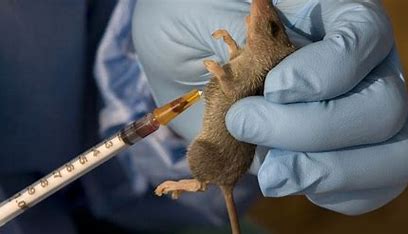
According to the World Health Organisation (WHO), Lassa fever is an acute viral haemorrhagic illness caused by the Lassa virus, which belongs to the arenavirus family. The WHO explained that humans typically contract the virus through exposure to food or household items contaminated with the urine or faeces of infected Mastomys rats. The disease remains endemic among rodent populations in parts of West Africa.
The organisation also noted that Lassa fever is endemic in Benin, Ghana, Guinea, Liberia, Mali, Sierra Leone, Togo and Nigeria, and is likely present in other West African countries as well.
As of Week 43, Nigeria has recorded a total of 955 confirmed cases across the country. In 2025 alone, 21 states have reported at least one confirmed case spanning 102 Local Government Areas.
“In week 43, the number of new confirmed cases increased from 9 in epi week 42 to 11. These were reported in Ondo State.
“Cumulatively as at week 43, 2025, 176 deaths have been reported with a Case Fatality Rate (CFR) of 18.4 per cent which is higher than the CFR for the same period in 2024 (16.6 per cent).
“In total for 2025, 21 States have recorded at least one confirmed case across 102 Local Government Areas,” the report partly read.
ALSO READ: DSS sacks 115 officers, warns public against impostors
The NCDC further revealed that 88 per cent of all confirmed Lassa fever cases were reported from four states — Ondo, Bauchi, Edo and Taraba — while the remaining 12 per cent came from 17 other states with confirmed infections.
Of these four states, Ondo accounted for 37 per cent of the confirmed cases, Bauchi 21 per cent, Edo 17 per cent and Taraba 13 per cent.
“The predominant age group affected is 21-30 years (Range: 1 to 96 years, Median Age: 30 years). The male-to-female ratio for confirmed cases is 1:0.8.
“The number of suspected and confirmed cases decreased compared to that reported for the same period in 2024.
“No new healthcare worker was affected in the reporting week 43. The National Lassa fever multi-partner, multi-sectoral Technical Working Group continues supporting coordination of response activities at all levels,” it added.