
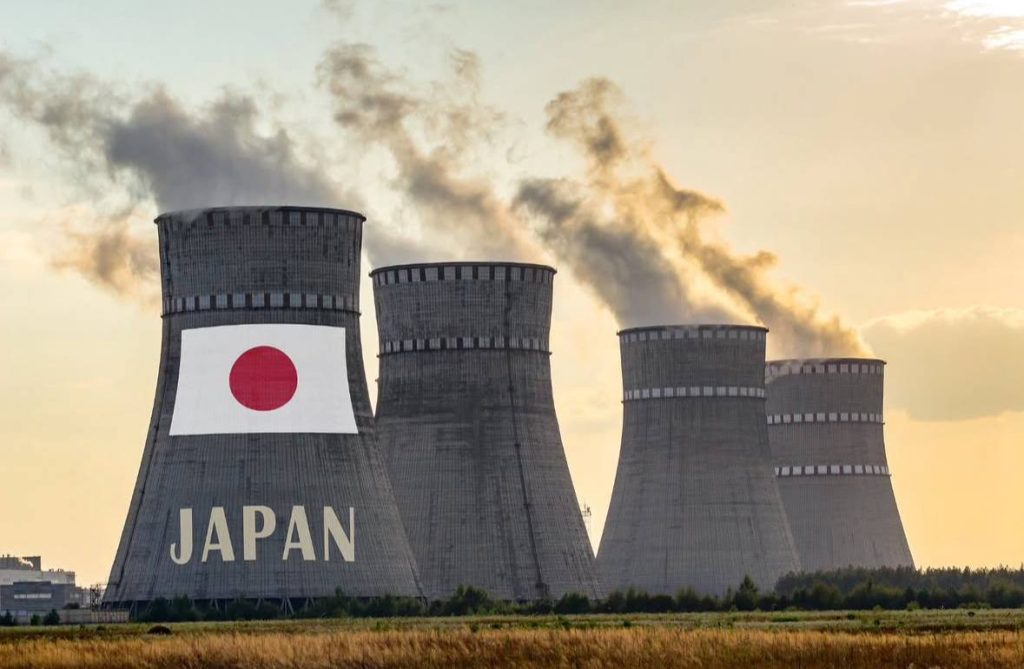
Japan has restarted a reactor at the Kashiwazaki-Kariwa nuclear power plant, the world’s largest, almost 15 years after the Fukushima disaster forced the country to shut down all its nuclear reactors.
Tokyo Electric Power Company (TEPCO) said Reactor No. 6 was restarted on Wednesday in Niigata prefecture. The process was delayed by a day because of an alarm malfunction, but TEPCO said the issue has been fixed. The reactor is expected to start commercial operations next month.
Only one of the seven reactors at the plant is coming back online for now. The seventh reactor is not expected to restart until 2030, and the other five may be decommissioned. Even when fully operating, the plant will produce 8.2 gigawatts, much less than before 2011.
Before Fukushima, nuclear power supplied nearly 30% of Japan’s electricity. The government once planned to raise that to 50% by 2030. Now, the target is 20% by 2040.
The 2011 Fukushima disaster was caused by a massive earthquake and tsunami, which led to a triple reactor meltdown and radiation leaks. An independent report called the disaster a “man-made disaster” and blamed TEPCO for poor preparation. A court later cleared three TEPCO executives of negligence.
ALSO READ: 23 trainees join KSM VGC’s new digital skills initiative
Safety concerns still worry many people. Kashiwazaki-Kariwa has faced scandals, including lost or mishandled documents, which TEPCO reported to the Nuclear Regulation Authority (NRA).
“TEPCO is struggling to change its ways,” said Dr. Florentine Koppenborg, a senior researcher at the Technical University of Munich.
The NRA also suspended a restart review for Chubu Electric’s Hamaoka plant after it found manipulated earthquake data. Chubu Electric apologized and said it will follow the NRA’s instructions.
Prime Minister Sanae Takaichi has pushed for more reactor restarts to boost energy security as demand rises from data centres and industry.
TEPCO President Tomoaki Kobayakawa told the Asahi daily, “Operators involved in nuclear power must never be arrogant or overconfident.”
Japan has restarted 15 out of 33 operable reactors since 2015. But experts say high safety costs and public distrust could slow the nuclear comeback.
“Nuclear power is getting much more expensive than they ever thought it would,” Dr. Koppenborg said.
With the Fukushima legacy still fresh, Japan’s nuclear revival is moving forward—but it remains uncertain.