
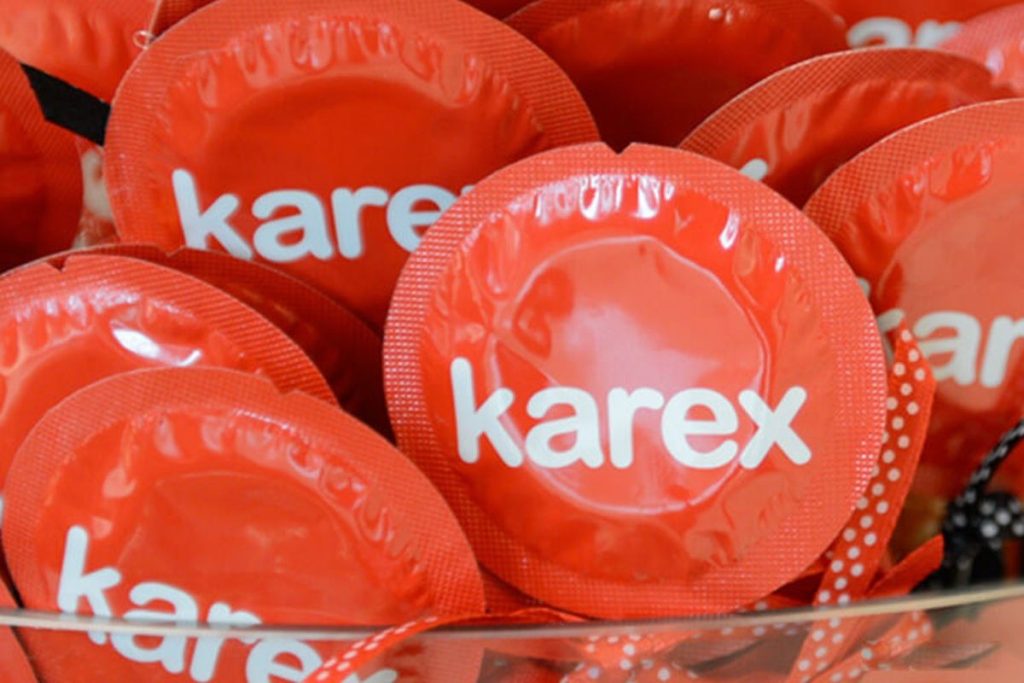
The world’s largest condom manufacturer, Karex, says it will increase prices by up to 30 per cent, with further hikes possible if the ongoing Iran war continues to disrupt the supply of key raw materials.
Karex chief executive Goh Miah Kiat said production costs have surged since the conflict began, placing pressure on the Malaysia-based company, which produces more than five billion condoms annually. The firm supplies major global brands, including Durex and Trojan, as well as public health systems such as the UK’s NHS.
Goh disclosed this in separate interviews with Reuters and Bloomberg, noting that rising costs are largely driven by disruptions in global oil supplies. The crisis escalated after Iran responded to US and Israeli airstrikes by threatening to target vessels in the Strait of Hormuz, a key shipping route that handles about one-fifth of the world’s crude oil and liquefied natural gas.
The disruption has effectively limited movement through the waterway, triggering wider supply chain challenges. Karex depends on oil-derived materials such as ammonia, used to preserve latex, and silicone-based lubricants, both of which have become more expensive.
ALSO READ: JUST IN: Tinubu seeks $516.33m loan to construct Sokoto-Badagry super highway
The company also reported a 30 per cent increase in demand for condoms this year, alongside higher freight costs and shipping delays that have worsened supply shortages.
“In bad times, the need to use condoms is even more because you’re uncertain with your future, whether you’d still have a job next year,” he told Bloomberg.
“If you have a baby right now, you’ll have one more mouth to feed,” he added.
The price increase reflects broader economic pressure caused by the US-Israel conflict with Iran, which has unsettled global energy markets and pushed up the cost of goods and services.
Airfares have already risen sharply, with the cheapest economy tickets now costing 24 per cent more on average than a year ago, according to recent research.
Shipping disruptions in the Gulf have also led to higher fertiliser prices and a shortage of helium, a key component in semiconductor production. The bottled water industry is facing similar challenges, as manufacturers struggle to secure raw materials.
Earlier this month, the United Nations warned that rising transport costs will drive up prices for sugar, dairy and fruit.