
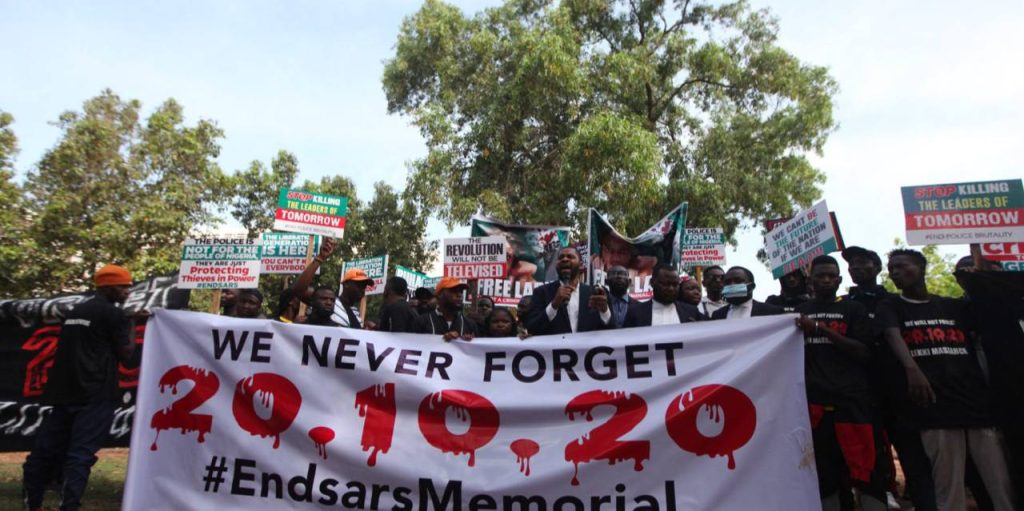
October 20, 2020. A date etched in Nigeria’s collective memory, when a generation of hopeful young people rose in peaceful protest against police brutality, corruption, and abuse of power. They wanted an end to the Special Anti-Robbery Squad (SARS) and, by extension, a nation where justice and accountability were not privileges but rights.
Many of them never made it home.
That day, unarmed protesters were met with live bullets from the same government forces meant to protect them. The Lekki Toll Gate shootings became a haunting symbol of state violence, one that continues to echo in the hearts of Nigerians everywhere.
Five years later, the question still lingers like an open wound: was it worth it? For the mothers who buried their children, no cause could justify the pain. Yet, for a nation awakened by their sacrifice, perhaps their blood became the ink that rewrote the story of civic courage.
But has anything truly changed? A 2023 report by Global Rights documented 848 cases of extrajudicial killings between 2020 and June 2023, a grim reminder that the system remains largely unrepentant. Human rights in Nigeria still hang by a thread, fragile under the weight of unchecked power.
ALSO READ: Education ministry denies withholding sponsorship for maths Olympiad student
The #EndSARS protests were never just about disbanding a unit; they were a cry for dignity, for the right to live without fear of the next uniformed man with an AK-47. Yet, the government still has much to do in enforcing strict reforms within the security sector. Though SARS was officially disbanded on October 11, 2020, reports of its continued operations persist. If that is true, their activities are illegal — so why are there no arrests or disciplinary measures against these officers?
In February 2025, the police once again issued a disclaimer confirming the unit’s dissolution. Still, public confidence remains low, even with the Police Act, 2020, which provides safeguards against human rights abuses. Section 54 of the Act forbids arrests based on profiling or appearance, yet this remains the daily reality for many young Nigerians. Public disciplinary action against erring officers is rare, leaving little deterrent for future misconduct. Nigerians deserve a police system that upholds the law, not one that weaponizes it.
Yet, hope still flickers in the resilience of a generation that refuses to forget. The spirit of October 20 lives on in every young Nigerian who still dares to demand better.
Nigerian youths deserve better. Nigerians deserve better. And the heroes of October 20, 2020 deserve better. Until accountability replaces impunity, their question will remain ours too: was it worth it?