
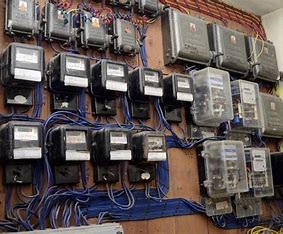
Nigeria’s teaching hospitals face an unprecedented crisis. Skyrocketing electricity costs now threaten essential healthcare services. As a result, recent tariff hikes have made power bills unsustainable. Consequently, hospitals struggle to keep operations running, leaving both patients and medical professionals in distress.
In April 2024, the National Electricity Regulatory Commission (NERC) raised tariffs significantly. Specifically, rates for ‘Band A’ consumers, including teaching hospitals, jumped from N68 to N209.50 per kilowatt. This drastic increase placed immense financial pressure on these institutions. As a result, they now spend billions of naira monthly to maintain power. For instance, the University College Hospital (UCH) in Ibadan spends up to N70 million per month on electricity alone. Furthermore, accumulating debts continues to worsen the burden.
The financial strain has led to severe consequences. Some hospitals face disconnection from the power grid due to unpaid bills. This disruption affects critical medical services, including surgeries and emergency treatments. Additionally, laboratory operations also suffer. Without stable power, hospitals must rely on costly diesel-powered generators. Unfortunately, this only worsens financial struggles. As a direct consequence, patients experience delays in treatment. Meanwhile, medical students lack proper training in underperforming facilities.
Professor Jesse Otegbayo, Chief Medical Director of UCH, expressed deep concern about the situation.
“We are struggling to pay electricity bills that have more than tripled. The cost is unsustainable, and if this continues, critical services may shut down,” he stated.
Similarly, Dr. Emeka Onyeka, a senior consultant at the Lagos University Teaching Hospital (LUTH), warned that “power shortages are affecting surgeries, laboratory tests, and even patient admissions. If urgent action is not taken, lives will be lost.”
Recognizing the severity of the crisis, the Federal Government has stepped in with proposed solutions. Specifically, a plan to subsidize 50% of electricity costs for 37 federal universities and seven teaching hospitals was announced. While this is helpful, it offers only temporary relief. In addition, a N100 billion allocation in the 2025 budget aims to install solar mini-grids in public hospitals and tertiary institutions. These measures certainly provide a promising step forward. However, they may not address immediate concerns hospitals currently face.
Despite these interventions, the situation remains dire. Teaching hospitals continue to operate under extreme pressure. As a result, many ration electricity to cut costs. Consequently, essential services risk being compromised. Meanwhile, healthcare workers must navigate increasingly difficult conditions. Without urgent and sustainable energy solutions, Nigeria’s teaching hospitals may struggle to provide quality healthcare for the growing population.
This crisis highlights Nigeria’s unstable energy sector. Therefore, long-term investment in renewable power is crucial. Until a permanent solution emerges, hospitals will remain in financial distress. The health sector stands on the brink of collapse. Thus, immediate action is necessary to prevent further deterioration. Ultimately, the future of medical education and patient care depends on it.