
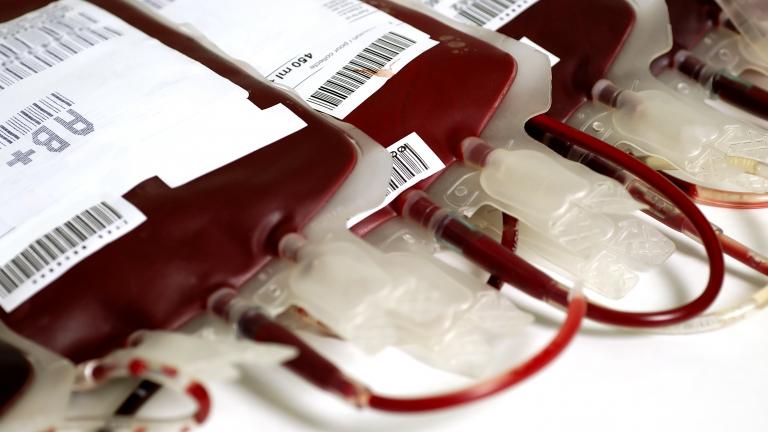
Jehovah’s Witnesses have announced a clarification on blood transfusions, allowing members to decide whether their own blood can be used during surgery or other medical procedures.
The position still maintains the ban on receiving another person’s blood but gives individuals room to make decisions in life-threatening situations.
In a video statement released on their website on Friday, Governing Body member Gerrit Lösch said the clarification is meant to allow Christians make personal decisions on the use of their own blood during treatment.
He said while Christians are expected to abstain from blood as a matter of doctrine, the Bible does not address the use of one’s own blood in medical care.
“Regarding the use of one’s own blood…a Christian must decide for himself how his own blood will be handled in the course of a surgical procedure, medical test, or current therapy,” he said.
Lösch referred to biblical instructions from Noah and the Mosaic Law, adding that Christians today are not bound by the command to pour out blood and cover it with dust.
“The Bible does not comment on the use of a person’s own blood in medical and surgical care.”
He noted that many members already accept medical procedures involving their own blood, such as blood tests, heart-lung machines, cell salvage devices and kidney dialysis.
He added that members can now decide whether their blood can be removed, stored and returned during surgery.
“Therefore, after much prayer and consideration of the Scriptures, the Governing Body has decided to clarify our position on the use of a patient’s own blood in medical and surgical care.
ALSO READ: FG clarifies UK deportation deal, says it applies only to Nigerians
“Some Christians may decide that they would allow their blood to be stored and then be given back to them. Others may object. Each Christian must make his personal decision on all matters involving the use of his own blood with regard to medical or surgical care,” Lösch added.
The issue has drawn attention in Nigeria following the death of cancer patient and social media personality, Mensah Omolola, known as AuntieEsther, in December 2025.
She declined a blood transfusion advised by doctors, citing her faith, and chose alternative treatment supported by public donations exceeding ₦30 million.
Despite warnings from her church about possible disciplinary action, she maintained her position. Her death has continued to raise questions about the balance between religious belief and medical advice.
The recent clarification by Jehovah’s Witnesses allows members to make personal decisions on the use of their own blood, while keeping their long-standing position on transfusions from others.
The group’s stance on blood is based on biblical teachings rather than medical reasons.
A 2019 statement explained that members do not reject medical care, but avoid blood out of obedience to God and respect for life.
The guidance is drawn from passages such as Genesis 9:4, Leviticus 17:10, Deuteronomy 12:23 and Acts 15:28–29, which instruct believers to abstain from blood.
Over time, members have made use of medical procedures that align with their beliefs, including techniques that do not involve transfusion of another person’s blood.
The group also said avoiding blood transfusion does not necessarily lead to worse medical outcomes, noting that several alternatives are available in modern healthcare.