
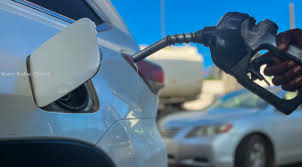
The Petroleum Products Retail Outlets Owners Association of Nigeria (PETROAN) has warned that petrol and diesel prices in Nigeria could rise sharply if the ongoing US-Iran war petrol price pressures continue to disrupt the global oil market.
The National President of PETROAN, Billy Gillis-Harry, said Premium Motor Spirit (PMS), commonly known as petrol, may climb close to ₦2,000 per litre, while Automotive Gas Oil (diesel) could approach ₦3,000 per litre if the conflict in the Middle East persists.
ALSO READ:JUST IN: Iran names Ayatollah Khamenei’s son, Mojtaba, as new Supreme Leader
Gillis-Harry explained that the US-Iran war petrol price situation is already pushing global petroleum costs upward as drone and missile attacks threaten major oil routes and critical energy infrastructure. The uncertainty, he said, is creating disruptions in global supply chains and raising fears of sustained increases in fuel prices.
According to him, petrol remains essential for daily transportation across Nigeria, while diesel plays a major role in powering industries and manufacturing activities. He warned that a prolonged conflict could worsen inflation, increase transportation costs and deepen economic hardship for Nigerians.
Global energy markets have already shown signs of pressure as tensions in the Middle East escalate. Analysts say disruptions to oil infrastructure and threats to key shipping routes such as the Strait of Hormuz could significantly tighten global crude supply and push prices higher.
Reacting to the development, Gillis-Harry urged the Nigerian government to accelerate efforts to revive the country’s state-owned refineries to reduce reliance on imported petroleum products.
He called on the Group Chief Executive Officer of the Nigerian National Petroleum Company Limited (NNPC Ltd), Bayo Ojulari, to ensure that the Area 5 plant of the Port Harcourt refinery and the Warri refinery resume operations without further delay.
According to him, strengthening local refining capacity would help Nigeria reduce exposure to international price shocks driven by geopolitical conflicts such as the US-Iran war petrol price crisis.
Meanwhile, financial analyst Steve Nwachukwu also warned that rising crude oil prices triggered by the Middle East conflict could significantly affect fuel prices globally and in Nigeria.
He noted that crude oil prices could surge to between $100 and $220 per barrel if the conflict intensifies, adding that the closure of critical shipping routes like the Strait of Hormuz could disrupt global oil supply and push fuel prices even higher.
Nwachukwu further stressed that Nigeria’s dependence on imported refined products leaves the country vulnerable to global oil shocks. He argued that until Nigeria strengthens domestic refining and adjusts its petroleum policy to prioritise local consumption, Nigerians may continue to feel the impact of global crises on fuel prices.