
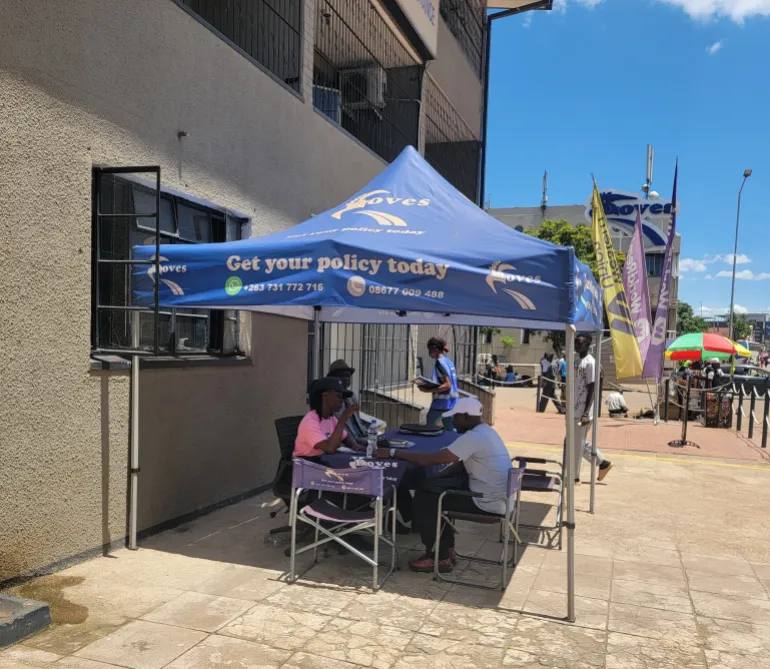
In Zimbabwe, millions of people are prioritizing funeral insurance over health coverage, highlighting deepening challenges in accessing affordable medical care, Al Jazeera reports.
Funeral insurance has become far more widespread than medical cover. About 72 percent of insured citizens hold funeral policies, compared with 30 percent with health insurance, according to a 2022 report by FinMark Trust. Nearly 90 percent of Zimbabweans, roughly 16 million people, have no health insurance and must pay medical costs out of pocket. Fewer than 900,000 are formally employed and benefit from employer-provided coverage.
“Funerals are immediate, unavoidable events that come with significant financial and communal expectations,” said Innocent Tshuma, public relations manager at funeral services provider Doves Holdings Group. “In contrast, access to comprehensive medical aid remains limited due to affordability challenges, exclusions and unpredictable out-of-pocket costs.”
ALSO READ: Iran: Massive fire breaks out in Tehran market, no casualties reported
Zimbabwe’s public health system struggles with chronic underfunding, staff shortages, and limited infrastructure, leaving many to rely on government clinics that often provide low-quality care. Private health insurance is largely unaffordable, with premiums running from $10 to several hundred dollars per month. Funeral cover, however, starts at as little as $0.75.
“In Zimbabwean culture, the aspect of life after death is very much important,” said physician Vivek Solanki of the Zimbabwe Medical Association. “But thinking about illness is often avoided, as people believe it can attract bad things.”
Community-based burial societies have also emerged, allowing members to contribute small amounts monthly to cover funeral costs and support bereaved families. Ellie Mlambo, whose father died last year, said her family relied on two burial savings groups in Machavangu, which helped ease the financial burden.
Zimbabwe plans to launch a national health insurance scheme in June, aiming to expand access to quality healthcare. Itai Rusike, director of the Community Working Group on Health, called the initiative “a commitment to ensure universal health coverage,” but warned that economic instability could challenge its sustainability.
For now, millions of Zimbabweans continue to face a difficult choice: secure funeral insurance and guarantee dignity in death, or risk high medical bills without adequate protection.