
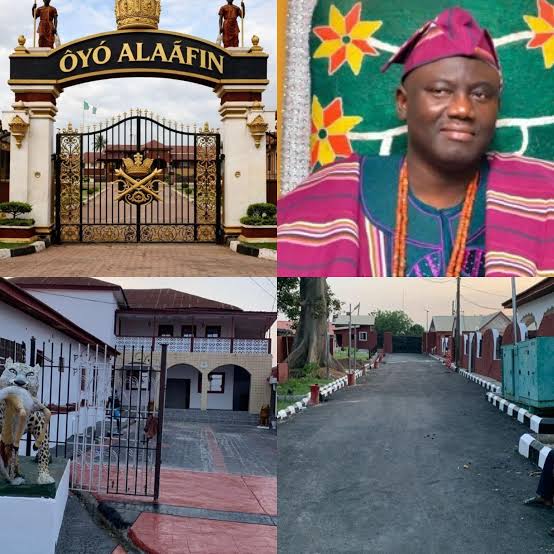
The Alaafin of Oyo, Oba Abimbola Akeem Owoade I, has moved into the newly renovated and furnished ancestral palace located at the Oke Afin area of Oyo town, nine months after his coronation.
The monarch relocated from his Boroboro private residence, where he had been living since his enthronement as the Alaafin.
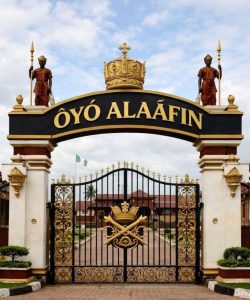
Renovation work on the palace began shortly after the presentation of the staff and instrument of office to Oba Owoade as the 44th Alaafin of Oyo by the Oyo State Governor, Engr Seyi Makinde.
The project involved the refurbishment of several ancient structures within the palace complex, as well as the construction of a new multi-million-naira building.
Well-meaning residents of Oyo town joined the Alaafin as he formally moved into the palace.
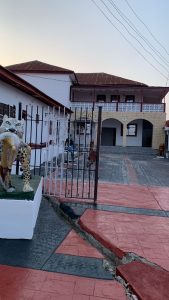
Announcing the development, the Director of Media and Publicity to the Alaafin, Bode Durojaiye, said in a statement that the palace represents more than a historical monument.
“The Alaafin’s Palace is not just a historical site; it is a living museum that offers a glimpse into the grandeur and complexity of Yoruba culture.
The palace complex is an architectural masterpiece featuring courtyards, halls, and shrines that have been meticulously maintained over centuries.
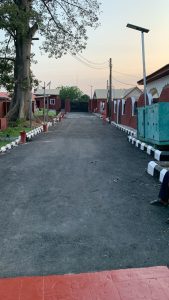
Each section of the palace is imbued with cultural significance, from the Ile Orun, where the Alaafin’s ancestors are honoured, to the Oju Oba, where the king holds court and meets with his subjects,” the statement partly read.
According to the statement, facilities within the palace had been vandalised and were in urgent need of rehabilitation before the emergence of Oba Owoade as Alaafin. It added that the renovation was driven by the desire to preserve “the tangible Yoruba Cultural Heritage.”
The statement noted that the palace structures, bold and resilient in form, now reflect their enduring beauty through carefully designed layouts, crafted columns, windows and doors bearing the artistic imprints of ancient Oyo art.
“Almost all the houses had courtyards, while the finer and stronger looking structures had more than one courtyard. Each of the courtyards is surrounded by rooms which open into the courtyard.
ALSO READ:300 level student takes own life after losing N600,000 to betting
“A visit to the ancient Palace will no doubt convinces one that it is indeed a storehouse of Yoruba culture and tradition.
“The Palace is adorned with works of arts, various forms of sculptures that include the carved wooden house posts, and door panels, which are the traditional status symbol of wealth and royalty.
“Modern figures of lions and hunters are made from mortals, while walls are decorated with mosaics and painted murals depicting scenes from life, as the decorated calabash and imaginary beings.
“The traditional architectural designs are superb and second to none among ancient palaces in the country, as attested to it by tourism experts from different countries across the world who visited it,” the statement added.