
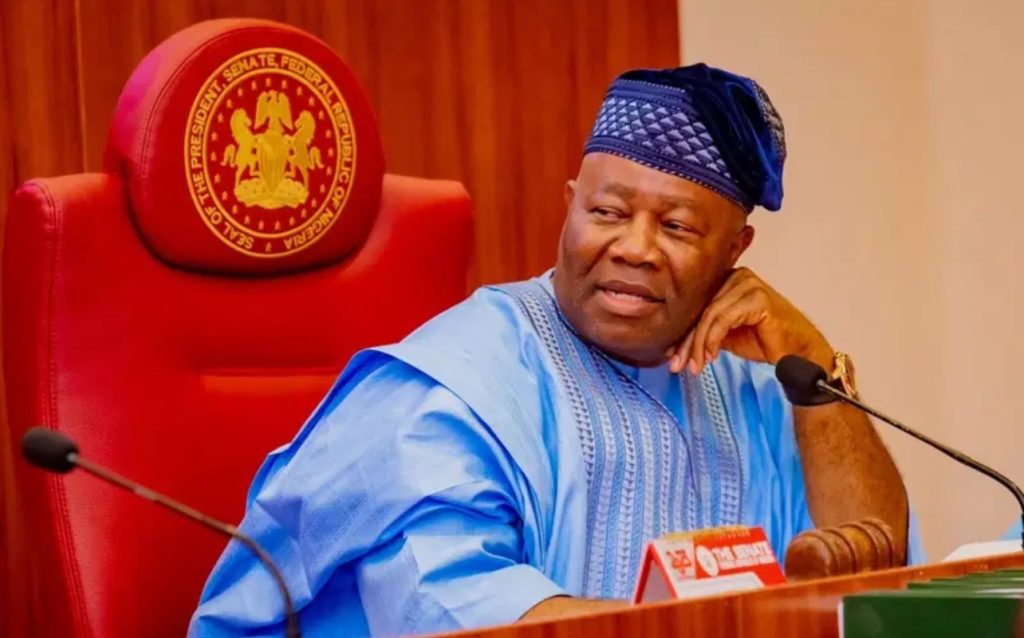
On December 8, 2023, Senator Natasha Akpoti-Uduaghan visited Senate President Godswill Akpabio’s residence in Uyo, Akwa Ibom State. Accompanied by her husband, she alleges that Akpabio made unwanted sexual advances during the visit. Moreover, she claims the encounter unfolded in full view of her spouse, intensifying the shock of her accusation. Consequently, the incident sparked immediate controversy across political and social circles.
In response, Akpabio’s senior legislative aide, Mfon Patrick, rejected the allegation outright. He declared the claims to be nothing more than “tissues of lies.” This statement, delivered shortly after the accusation, aimed to dismiss any notion of misconduct. Furthermore, Patrick maintained that there was no basis for the allegations and that they were fabricated to tarnish Akpabio’s reputation. His comments quickly ignited debates about the credibility of the claims.
Previously, Akpabio had faced similar charges. In 2020, Joy Nunieh, then the acting managing director of the Niger Delta Development Commission, accused him of sexual harassment. Akpabio denied those charges with equal vehemence, labeling them as “false, malicious, and libelous.” Hence, this recent accusation added fuel to an already contentious narrative surrounding his conduct in office.
Meanwhile, Senator Akpoti-Uduaghan did not delay in taking legal action. She filed a defamation lawsuit against both Akpabio and his aide. The suit seeks damages of N100 billion along with N300 million to cover litigation costs. In her legal complaint, she alleges that a Facebook post, made by Patrick after a heated argument over a change in her Senate seat, further defamed her character. Consequently, the legal battle now intertwines with the ongoing political discourse, raising questions about accountability and respect within the Senate.
Critics of Akpabio argue that the allegations, if proven true, reflect a broader pattern of abuse of power by public officials. They contend that such behavior undermines the trust that the electorate places in its leaders. Therefore, many political analysts have called for a transparent investigation into the incident. In addition, civil society groups have rallied for an independent inquiry to examine all aspects of the allegations. They believe that such a probe will help restore public confidence in Nigeria’s democratic institutions.
Supporters of Akpabio, however, maintain that the allegations are politically motivated. They suggest that the claims may have emerged from internal Senate disputes rather than from any genuine misconduct. Moreover, they argue that the lawsuit represents an attempt to destabilize the Senate’s leadership. Thus, the controversy has split opinions among lawmakers, with some demanding accountability and others warning against using such allegations as political weapons.
Political commentators have noted that the case may set a precedent for how sexual harassment claims are handled in Nigerian politics. They stress that it is critical to balance the protection of individual reputations with the need for justice when accusations arise. Consequently, many experts urge both parties to let a thorough investigation determine the facts. They insist that only by establishing a clear truth can trust in the Senate be rebuilt.
In summary, the incident has provoked intense public debate and legal action. Senator Akpoti-Uduaghan’s allegation and subsequent lawsuit have thrust the issue of sexual harassment into the spotlight. Simultaneously, Akpabio’s aide’s dismissive comment, “tissues of lies,” underscores the deep divisions in opinion over the matter. As the legal process unfolds, the nation watches closely, hoping that a fair and transparent inquiry will resolve the controversy and reinforce accountability in public office.